Category: Blog

Our Travel Blog

Passionate travelers, unspeakable adventures, tasty food.

  • Pollo a la Brasa : Peruvian Cuisine

    Pollo a la Brasa : Peruvian Cuisine

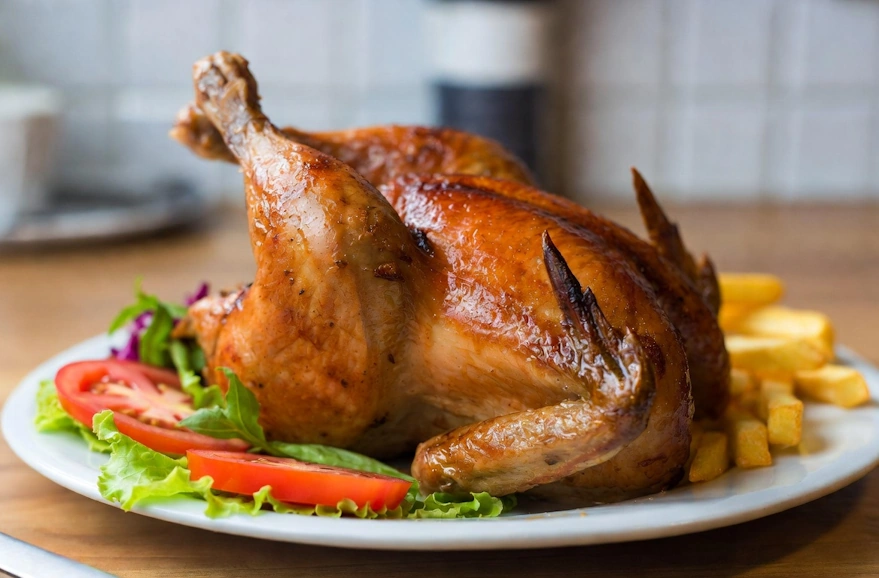
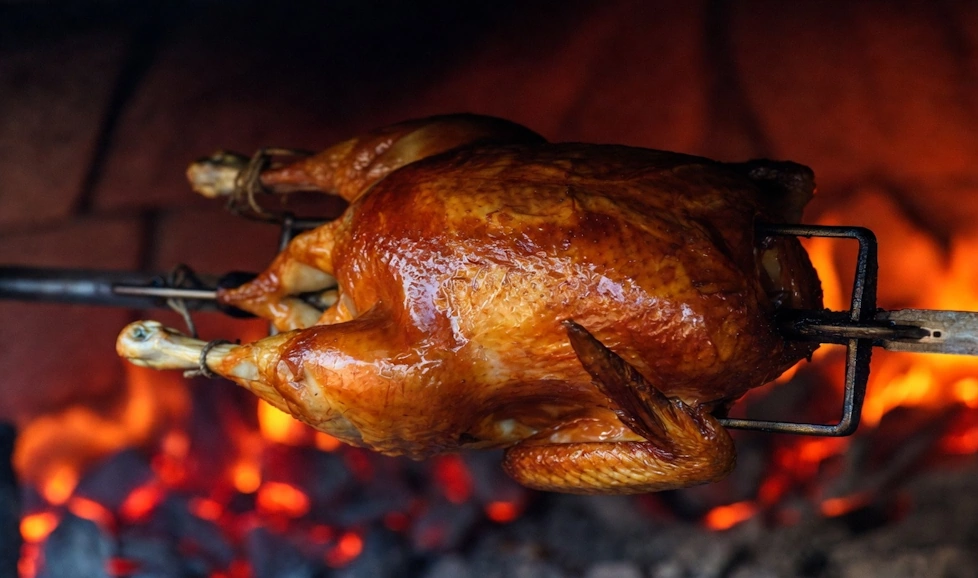
    You don’t get good pollo a la brasa. It doesn’t seek you. For me, it was a Tuesday — not even a Sunday! — in a neighborhood of La Victoria they tell tourists to avoid. The atmosphere was fluorescent and the slippery tile floor was sticky, and there was a poster of a 1998 soccer team. But the air? Compacted by the scent of burning quebracho wood and the caramelization of skin. The first bite wasn’t just delicious—it sounded right. A deep, resonant crrrrk that seemed to reverberate in your jaw. That’s how you know. If the skin doesn’t sing, get out.

    This isn’t food you analyze. It’s food you experience. It’s the grease on your chin, the pile of napkins, the argument over the last crispy wing. It’s Peru on a platter.

    A Story That’s Probably Half True (But Who Cares?)

    They’ll say that began with a Swiss farmer in the 50s. Sure. Roger Schuler and his rotisserie. But my friend’s abuelo (grandfather) in Chorrillos is positively certain his uncle was slow-roasting chickens over pisco grapevine clippings ten years prior. Probably the truth lies somewhere between, and it’s messy. Like most great Peruvian things, it is a criollo invention – the fusion of immigrant resourcefulness and local products that converged in a postwar Lima starving for its own modern identity.

    The real history isn’t in a history book. It’s in the stubborn pride of the pollero in Ate who still uses his grandfather’s clay oven, or in the vendor in Huancayo who swears the altitude makes his chicken taste better. It’s the oral history, shared with a side of fries.
    The Anatomy of a Perfect Bite

    Recipes are irrelevant. It’s about ratios and textures. Here’s what you’re chasing:

    • Layer 1: The Skin. It has to be a geological event. A plate of flavor, a tectonic plate, thin and brittle, mahogany in colour from hours in the marinade, not from burning. It should shatter rather than crunch.
    • Layer 2: The Fat. Just below. Rendered, golden, and smokes of garlic and cumin. It is what transports the smoke from the burning coals into your meat.
    • Layer 3: The Meat. The thigh pulls away in thick juicy strands. The breast should be sufficiently moist to make you reconsider everything you know about chicken breast.

    Getting this result is alchemy rather than cooking. You need a marinade that functions more like a brine and reaches deep. I saw a cook in Surquillo slather his chickens with a paste made of ají panca, smashed garlic and a little chicha de jora (fermented corn beer). “The sugars,” he winked, “they attract the fire.” He let them sit, naked, in the walk-in freezer overnight. “The skin dries out. That way it’s crisper.” Simple. Genius.
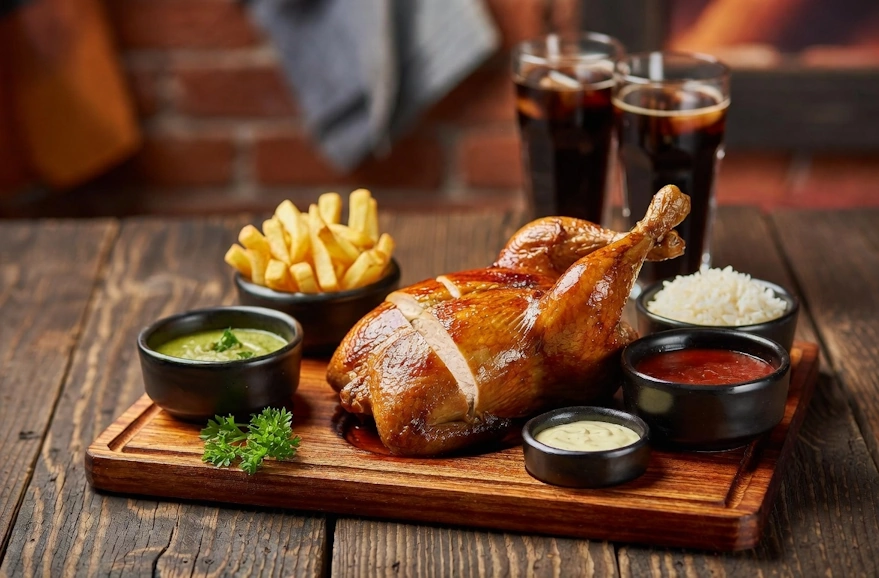
    The Sacred and the Profane: The Sides

    The chicken is the sermon, but the sides are the choir.

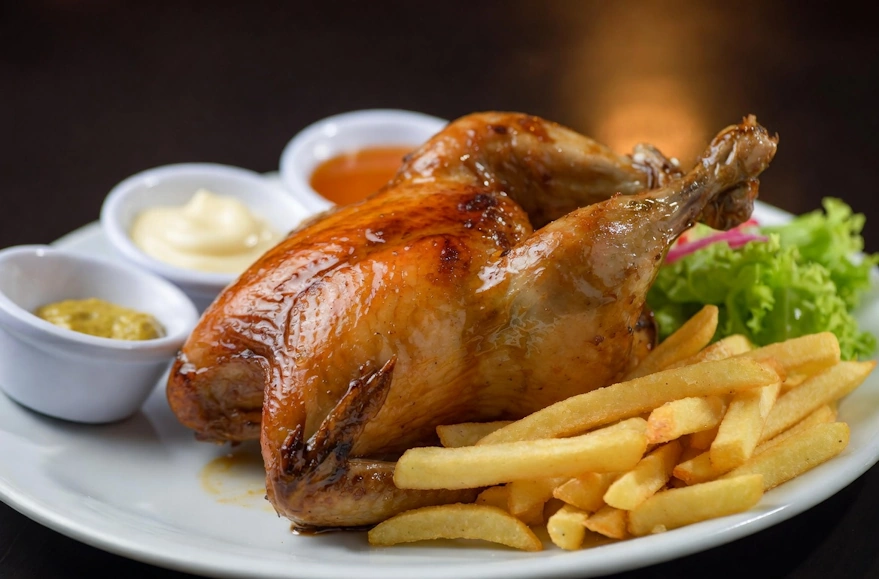
    • The Fries: Must be bumpy. Uniformity is the foe of soul. They should be a combination of crispy shards, soft pillowy centers and the occasional nearly-burnt one, which is the cook’s secret gift to you.
    • The Crema de Ají: That’s your trial by fire. Is it just pureed yellow chili? Or did they also fry the chili in oil with hierba santa before? Can you really taste the texture of the breadcrumb thickener? The real thing is a little gritty, with a heat that builds in the back of your throat, rather than the front.
    • The Ensalada Criolla: This isn’t salad. It’s punctuation. The sharp vinegar and red onion cut through the fat. It’s a reset button between bites.

    You eat with your hands. You mix the sauces. You drag a fry through the ají and then through the mayo. You create your own perfect, chaotic bite every single time.

    A Sunday Pilgrimage

    Noon. The sun is high. The family is arguing about where to go. This is the ritual.

    • For the Traditionalist: You go to La Granja Azul in Chaclacayo. It’s a drive. The place is a time capsule. The chickens are good, solid, reliable. You go for the ghost of the original, for the feeling of “this is where it started.”
    • For the Purist: You find the unnamed spot with the handwritten menu and the line out the door. In Lince, it might be Pollería El Cortijo. In Breña, Don Tito. No frills. Just focused perfection. The walls are stained with decades of smoke. The owner knows his charcoal.
    • For the Hedonist: You go to Pardos. Yes, it’s a chain. But their consistency is an art form. The skin is always crackling, the fries are always hot, the ají always has the same perfect kick. There’s no shame in it.

    My personal vice? A place called El Alamo near the airport. The chicken is just excellent. But they serve it with these deep-fried rocoto peppers stuffed with cheese. It’s blasphemy. It’s glorious.
     

    FAQs from the Frontlines

    • Q: I’m in Lima for one day. Where do I go?
      A: Don’t overthink it. Walk into any pollería that’s at least half full of locals at 1 PM. Point to the chicken turning in the window. Say, “Un cuarto, por favor, con todo.” You can’t go wrong.
    • Q: What’s the one thing I shouldn’t do?
      A: Ask for ketchup. Just… don’t.
    • Q: Dark meat or white meat? meat white or dark?
      A: It is a trick question. The right answer is a medio pollo (half chicken). Both, you get both. Act one: The white meat, juicy and full of flavor from the marinade. The rich and more forgiving dark meat, for the grand finale.
    • Q: Is it really a hangover cure?
      A: The chicharrón (fried pork) is the official Peruvian hangover cure. Pollo a la brasa is more a hangover companion. It doesn’t cure you. Miser beats you down – it stays with you, and prettifies your misery.

    The Last Napkin

    You’re done. The plate is a battlefield of bones and smeared sauces. I could say: You’re full in a way that feels like contentment, not regret. Your fingers glisten. This is the moment.

    It’s not a gourmet revelation. It is a primal satisfaction. It’s the food of waiting your turn, of shared tables, of a city that moves too fast but still stops for this. It’s the taste of a million Sunday afternoons, of victories celebrated and losses comforted.

    You wipe your hands on the last paper napkin. It’s not enough. You’ll smell like smoke and spice for hours. A delicious ghost of a meal that will call you back long before next Sunday.

    That’s pollo a la brasa.

  • Peruvian Beer: The Real Story Behind the Bottles Everyone Knows

    Peruvian Beer: The Real Story Behind the Bottles Everyone Knows

    Peruvian Beer: The Real Story Behind the Bottles Everyone Knows

    Look, if you’ve ever sat at a cevichera on the coast or a picantería in the Andes and watched someone pour a few drops on the ground before the first sip, you already understand Peruvian beer. It’s not really about the liquid in the glass. It’s about the moment, the people, the place.

    The whole thing starts way before anyone ever heard of hops or barley.

    We already had chicha. Corn, chewed (or not anymore), fermented, shared. Sweet, low-alcohol, sacred in many ways. So when Europeans showed up in the 1800s with their fancy pilsners and lagers, it wasn’t like they brought something completely foreign. They brought a new way to do something we were already doing: fermenting stuff and drinking it together.

    The Big Names and What They Actually Mean to People

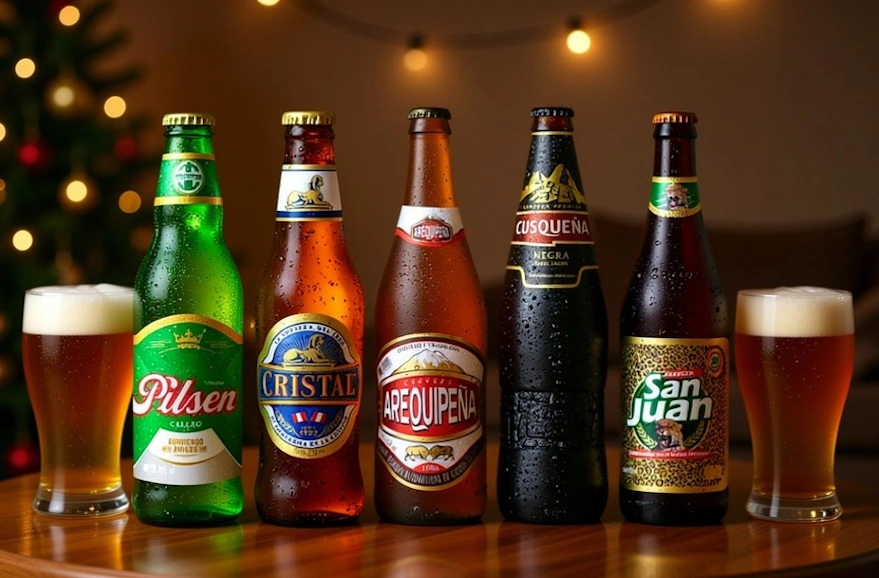
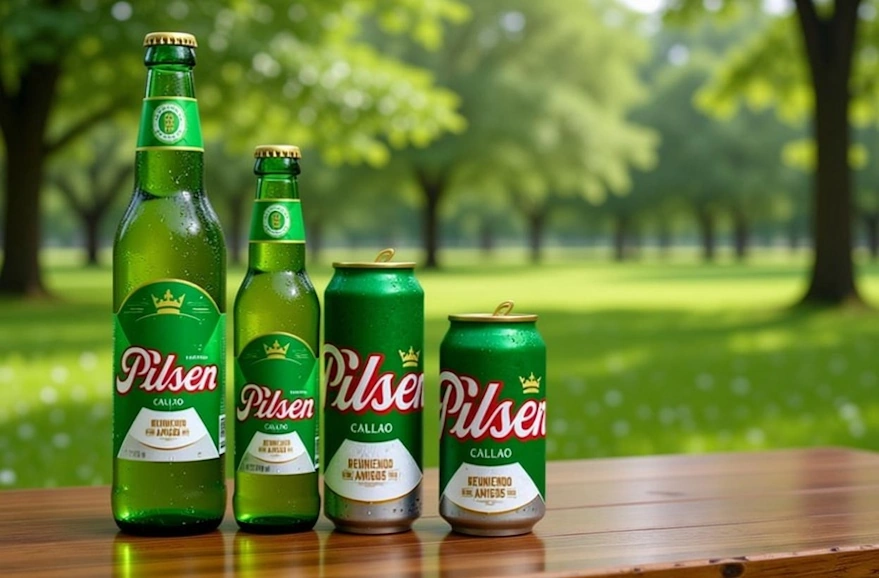
    • Pilsen Callao

    Born 1863 in the port. Oldest one by far. Germans started it, Italians took it over, then Backus swallowed it. Still feels like the beer your tío drinks when he wants to remember the old neighborhood. People call it “la de siempre” – the one that’s always been there. It’s the beer you share in a big bottle at the corner store with your friends after work. Working-class, loyal, no pretensions.

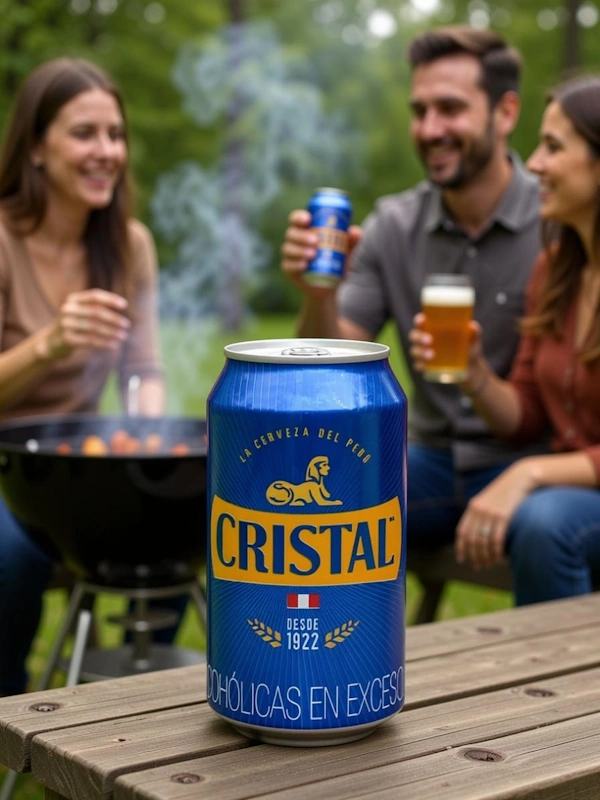
    • Cristal

    1922. The blonde. La cerveza más peruana, they say. You see the logo everywhere: on jerseys, on flags at soccer games, on the shirts of guys selling peanuts on the street. It’s the one that wins when you’re not even trying to choose. Young people drink it, old people drink it, everyone drinks it. It’s the default. When someone says “¿una fría?” in Lima, nine times out of ten it’s Cristal.

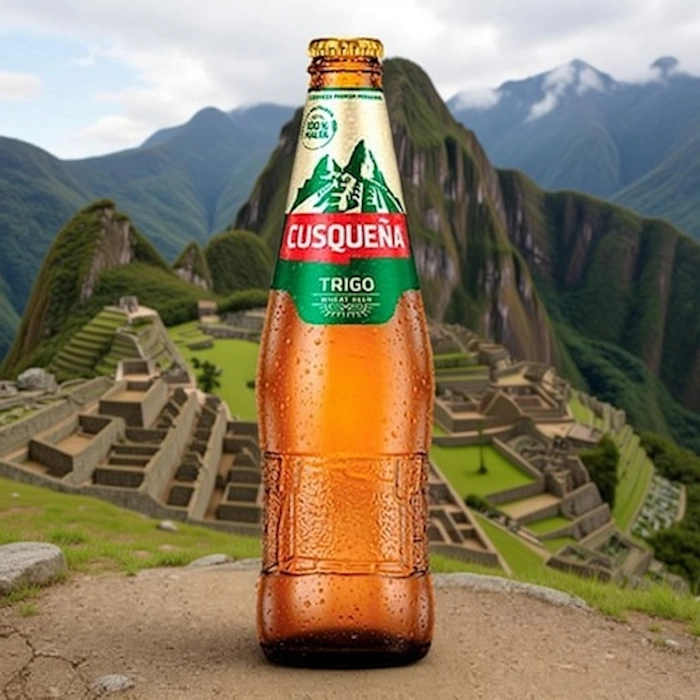
    • Cusqueña

    Started in 1909 in Cusco. Germans again. They wanted to make something that felt Andean but still clean and crisp like the European stuff. Nowadays it’s the “fancy” one without being too fancy. People in Lima order it when they want to look like they know something. In the south it’s just normal beer, but with pride. The quinoa one? That’s when they’re really trying to flex the Inca card.

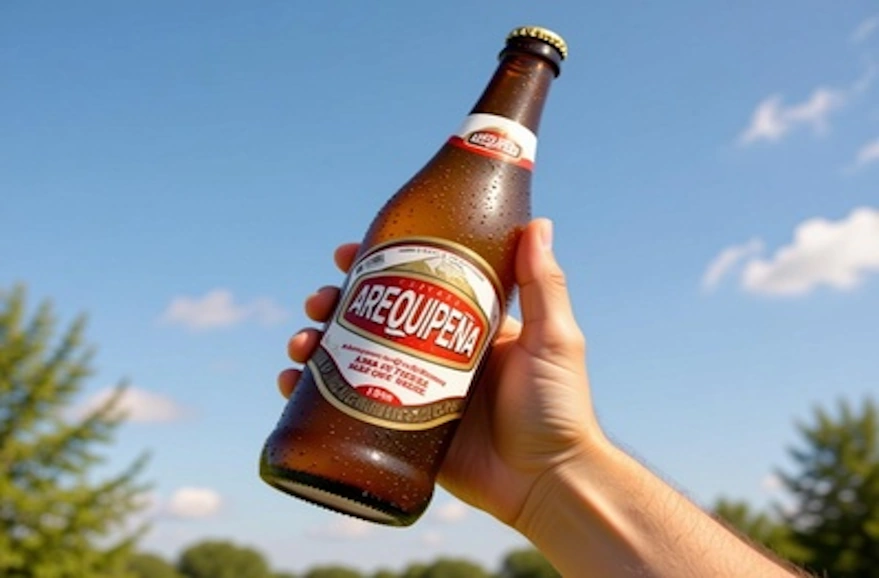
    • Arequipeña

    If you’re from Arequipa and someone offers you Cristal, you might politely drink it… but inside you’re thinking “this isn’t right.” Arequipeña is the one that tastes like home. Malty, balanced, proud. People from the White City will literally argue that it’s better than the others just because it’s theirs.

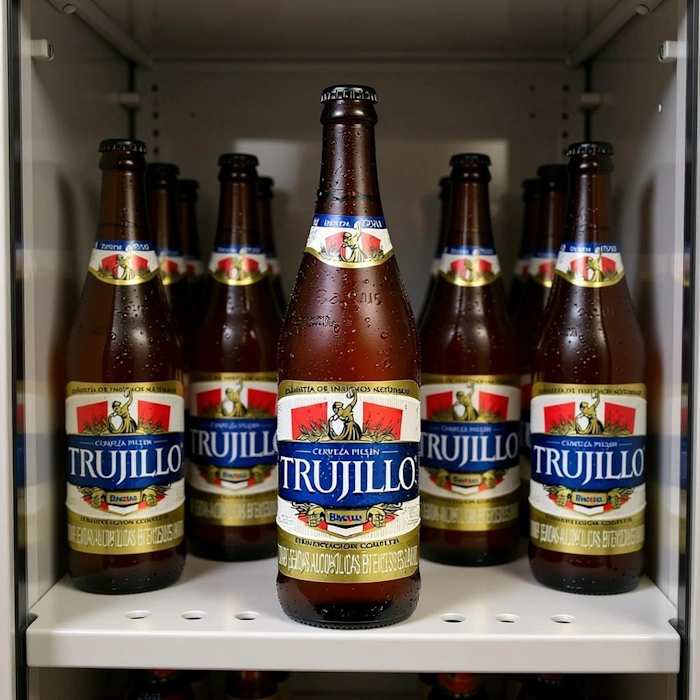
    • Pilsen Trujillo

    Northern version of the same story. La Libertad, Piura, Lambayeque – that’s its kingdom. Same crisp pilsner style, same big bottle tradition, just with a different accent.

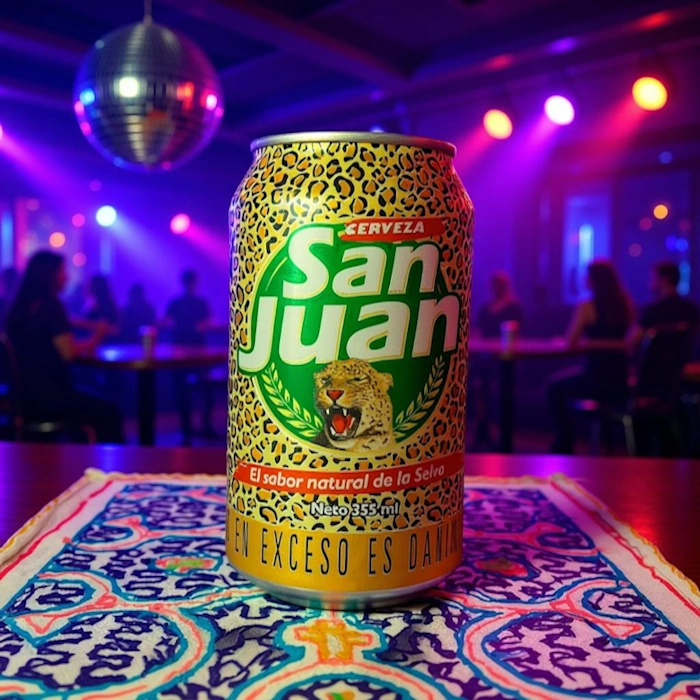
    • San Juan

    The jungle beer. Pucallpa, Iquitos, all that humid, green part of the country. They drink it ice-cold because that’s the only way it makes sense at 35 °C and 90% humidity. It’s the beer you drink when you’re celebrating something with half the neighborhood.

    The Real Picture in 2025

    Backus owns almost everything. Like 95% of the market. They bought up all the regional breweries one by one so no foreign company could come in and take control. Smart move, honestly. That’s why even though each beer has its own story, they all end up under the same roof.

    But something’s moving underneath. Craft beer is growing. Slowly. Painfully. Taxes are high, ingredients are expensive, distribution is a nightmare… but people are starting to care. Sierra Andina, Barbarian, Valle Sagrado, Perroquetón, Candelaria – those names are getting louder every year. Some use maca, some use purple corn, some throw in cacao or coffee from Chanchamayo. They’re not trying to kill Cristal. They’re trying to show there’s more than one way to be Peruvian beer.

    How We Actually Drink It

    Big bottle. One glass. Pass it around. Pour a little, drink, flick the foam to the ground for Pachamama, pass the bottle the other way. Whoever finishes it buys the next round. That’s the rule. It’s been like that forever.

    Cold, but not frozen. In a glass if possible. With food always. Ceviche = light lager. Anticuchos = something fuller. Chicharrones = whatever’s in front of you.

    And yes, we still spill a little on the earth before the first sip. Some people do it because they were taught to, others because it feels right. Either way, it’s part of the ritual.

    Bottom Line

    Peruvian beer isn’t about being the best in the world. It’s about being ours. It carries history, regional fights, family memories, soccer victories, heartbreaks, birthdays, and those random Tuesday nights that turned into something unforgettable.

    So next time you open a Cristal, a Cusqueña, a Pilsen Callao, whatever – remember: you’re not just drinking beer. You’re joining a conversation that’s been going on for more than 150 years.

    Salud, y que nunca falte una fría.

    Peruvian Beer: What You Actually Want to Know

    So, you’re asking about beer here in Peru. Let’s get into it — none of that overly neat FAQ stuff, just straight talk.

    First up: chicha vs. beer.

    Look, chicha is the OG. It’s corn, it’s fermented in big clay pots, it’s what people drank way before lager showed up. It’s usually sweeter, a bit sour sometimes, and way less alcoholic. Beer here today is mostly barley and hops, but honestly, the coolest brewers are mixing both worlds — tossing in purple corn, using local yeast, that kind of thing.

    Surely I can buy Peruvian beer anywhere except in Peru?

    Yeah, totally Cusqueña’s everywhere — the States, Europe, all over. Even our craft stuff is slowly popping up abroad. A good chunk of what we brew, especially the premium bottles, gets shipped out. We’ve won awards, people are noticing.

    Want to homebrew here?

    Go for it. It’s easier now than it was five years ago. You can grab a kit online or in Lima. Same process as anywhere else: boil, hop, ferment. But here’s the fun part — play with our ingredients. Try adding some maca or Amazonian fruits. Just keep everything clean. Seriously.

    Is craft beer more expensive?

    Yep. Sometimes double the price of a regular lager. You’re paying for small batches, creative recipes, better ingredients. Worth it? If you care about flavor, absolutely.

    Cerveza with ceviche?

    Don’t overthinking Cold lager. Pilsen, Cristal — los clásicos. Nothing heavy. You want a nice crisp beer that’s not going to compete with the lime and chili. Some fancy places are pairing with sour ales now, but when in doubt, keep it simple.

    Non-alcoholic beer?

    It’s around. Big brands have ‘em, a few craft places are trying. It’s not such a big thing yet, but it’s growing.

    Beer festivals?

    Lima Beer Week is the main one — usually February or March, all over the city. Follow local brewers on Instagram; they always post about pop-ups and fests. There are smaller ones in Arequipa, Cusco too, but dates move around.

  • The Coca Leaf: A Living Legacy of the Andes

    The Coca Leaf: A Living Legacy of the Andes

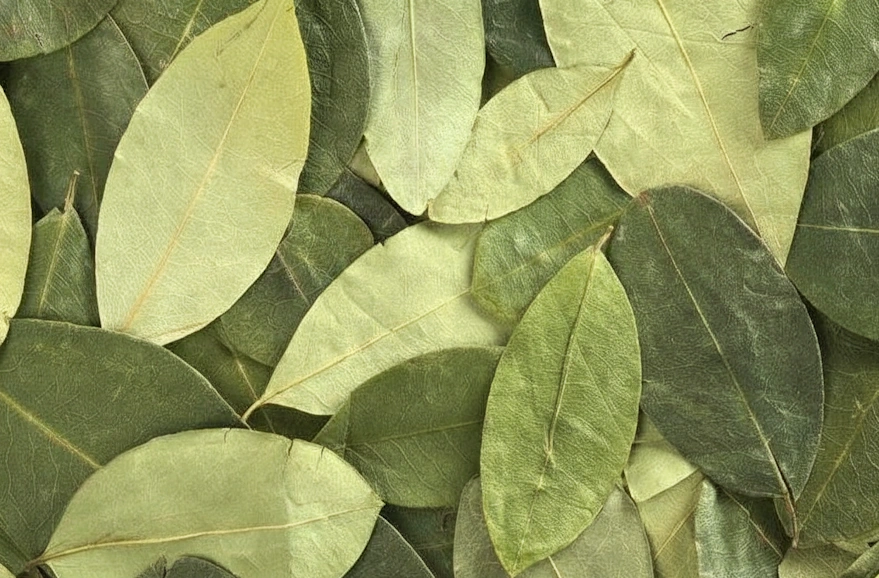
    In the high Andes, where the air is thin and the landscape seems to touch the sky, there’s a plant that has accompanied communities since time immemorial. I’m talking about the coca leaf, that small green leaf which, for many of us, is part of everyday life: a warm mate on a cold morning, a handful for a long journey, or a gesture of welcome when someone visits. It’s not just a plant; it’s a bridge to our ancestors, a natural remedy, and a symbol of who we are. In this article, I want to share what I’ve learned living close to these traditions, without academic pretensions, just with the respect this sacred leaf deserves.

    Historical Origins

    The history of the coca leaf stretches back into the deep past of the Andes. Archaeological evidence shows it was already being chewed more than 8,000 years ago in regions like Ecuador and Peru. Ancient cultures such as the Moche and Nazca depicted it in ceramics and drawings, highlighting its importance from pre-Hispanic times.

    With the Incas, coca gained a special place. It was considered a divine gift, linked to Mama Coca or Cocamama in legends. An old story tells of a beautiful woman who was cut in half and buried, and from her body sprouted the plant that gives strength and comfort. The Incas used it in rituals, offerings to the Sun, and as a medium of exchange. Not everyone had access; it was a privilege for the elite, though it spread to workers to endure long days.

    During the colonial period, the Spanish first condemned it as “the devil’s work,” but soon saw its value: it boosted productivity in the Potosí mines. Coca trade became a huge business, and its cultivation expanded. Today, we know its domestication happened in the yungas, those warm zones between jungle and mountain where the climate is perfect for it.

    Cultural and Social Importance

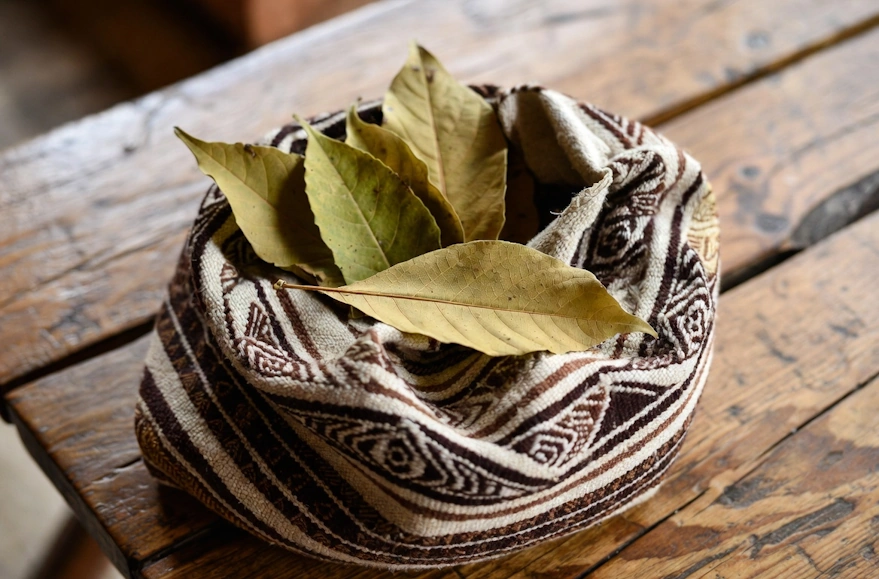
    In the Andean worldview, the coca leaf is far more than a plant: it’s a sacred element that connects humans to Pachamama, the apus (mountain spirits), and the ancestors. The k’intu—a small bundle of three perfect leaves—represents the three worlds: Hanan Pacha (the upper world), Kay Pacha (this world), and Uku Pacha (the lower world). Offering coca is an act of reciprocity, of ayni, that strengthens community ties.

    In Quechua and Aymara communities, carrying a chuspa (pouch) full of leaves is as natural as breathing. It’s shared in gatherings, collective work, or ceremonies: baptisms, weddings, payments to the earth. It’s a symbol of hospitality and respect. Without it, many traditions would lose their essence. In Bolivia and Peru, it’s recognized as cultural heritage, protecting its ancestral use against external stigmas.

    Traditional and Modern Uses

    Traditionally, acullico or chaccado is the most common way: a bolus is formed with selected leaves and a bit of llipta (alkaline ash) to release its properties. It helps combat soroche (altitude sickness), hunger, cold, and fatigue at high elevations. Another use is coca mate, a warm infusion that soothes the stomach and provides gentle energy.

    Today, these uses remain alive in rural areas and cities alike. But it has also evolved: there are coca flours to enrich foods, candies, craft beers, or cosmetics. In natural medicine, it’s used for heavy digestion, pain relief, or as a nutritional supplement. In urban areas, young people incorporate it in new ways, though always rooted in the ancestral. Products like teas or extracts are legally sold in local markets, supporting family economies.

    The Simple Science Behind It

    The coca leaf contains 14 natural alkaloids, including a small amount of cocaine (less than 1%), but in combination with other compounds that balance its effects. Studies, such as those from Harvard in the 1970s, show that 100 grams of leaf cover daily needs of calcium, iron, phosphorus, and vitamins A, B, and E. It’s rich in protein and fiber, acting as a superfood for high-altitude diets.

    Scientifically, it aids oxygenation at altitude, stabilizes blood sugar, and has analgesic and digestive properties. It’s not addictive in its natural form; chewing releases alkaloids slowly, without intense euphoria. Organizations like the WHO recognize the differences from isolated cocaine, though the stigma lingers.

    Myths vs. Realities

    One of the most common myths is that the coca leaf is the same as cocaine. Reality: they’re worlds apart. Cocaine is an alkaloid extracted and chemically concentrated, highly addictive. The natural leaf, chewed or infused, does not cause strong physical or psychological dependence; studies confirm this in Andean populations.

    Another myth: it causes addiction or serious harm. In truth, traditional use is benign, comparable to coffee. It helps with fatigue and altitude sickness without long-term negative effects. The stigma stems from the 1961 international prohibition, which ignored ancestral uses. Andean countries are fighting to declassify it, recognizing its cultural value.

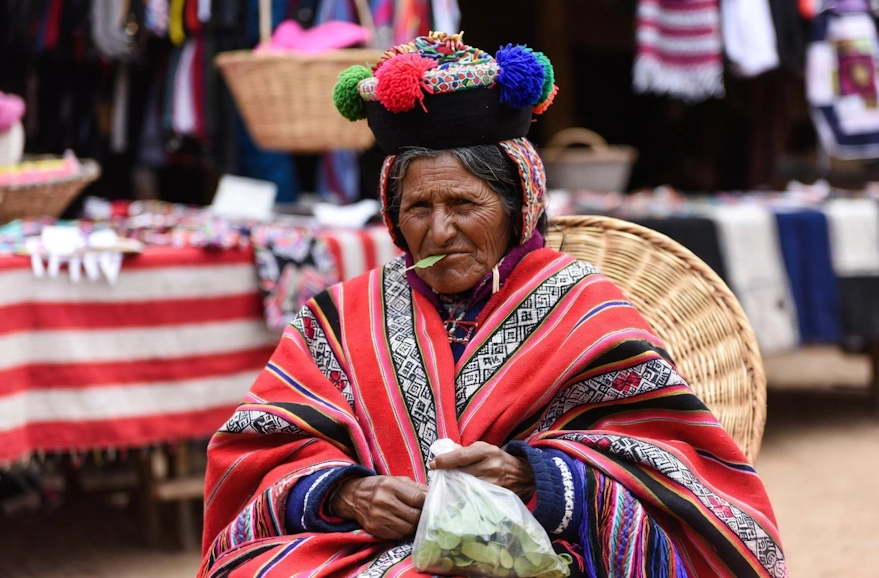
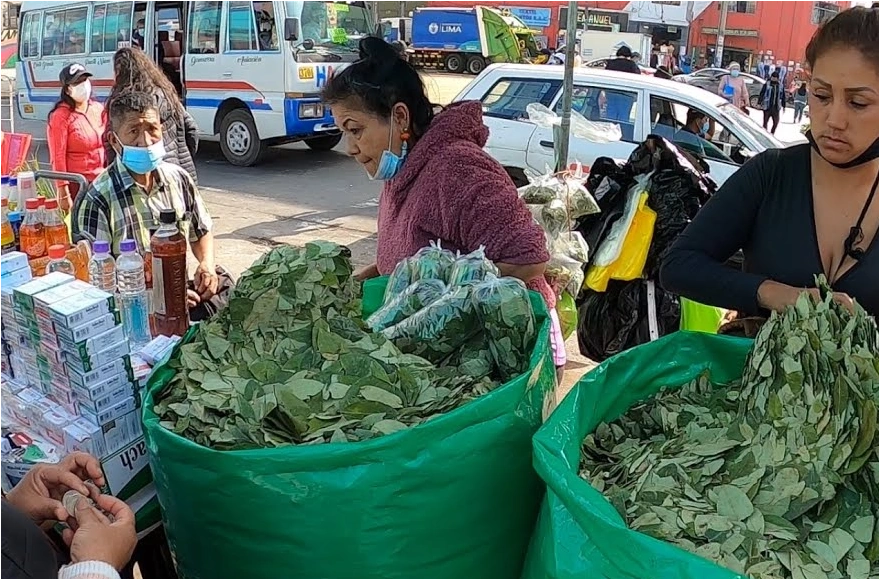
    Coca been sold on a street market | Belcheri Travel
    Coca been sold on a street market

    Current Impact

    Today, the coca leaf is an economic pillar in Bolivia and Peru, where traditional cultivation and trade are legal. Bolivia allows up to 22,000 hectares for licit uses, though surpluses fuel debates. In Peru, illegal crops are eradicated, but ancestral ones are protected.

    Internationally, the 1961 Convention strictly controls it, limiting exports. Bolivia achieved an exception for internal acullico in 2013, but global trade remains restricted. There are efforts to industrialize it (flours, teas) and export legally, benefiting communities. However, its link to drug trafficking complicates everything, affecting innocent producers.

    A Reflective Conclusion

    Looking at the coca leaf, I see a reflection of our Andean resilience. It has survived conquests, bans, and misunderstandings, remaining an ally in daily life. In a fast-moving world, it reminds us of the importance of reciprocity with nature, respect for the ancestral, and the search for balance. I hope more people come to understand its true value, beyond prejudices, so it continues to thrive in our mountains and hearts.

    Frequently Asked Questions (FAQ)

    Is the coca leaf addictive? No, in its natural form. Chewing creates a cultural habit, like coffee, but not strong physical dependence. Studies show it doesn’t produce the addictive effects of purified cocaine.

    Does it really help with altitude sickness? Yes, it’s one of its best-known uses. It releases alkaloids that improve oxygenation and reduce symptoms like headaches or nausea.

    Is it legal to consume outside the Andes? It depends on the country. In Bolivia and Peru, yes for traditional uses. Internationally, it’s controlled; taking it elsewhere can be illegal.

    Does it have nutritional benefits? Absolutely. It’s rich in minerals and vitamins, serving as a natural supplement, especially in high-altitude diets.

    Why is it banned in some places? Because of its association with cocaine. But Andean movements seek to recognize its legitimate cultural and medicinal uses.

    If you have more questions or experiences with the coca leaf, feel free to share in the comments! It’s part of our shared identity.

  • Exploring the Sacred Valley: Peru’s Quiet Wonder

    Exploring the Sacred Valley: Peru’s Quiet Wonder

    Discovering the Sacred Valley: Peru’s Quiet Soul That Stays With You
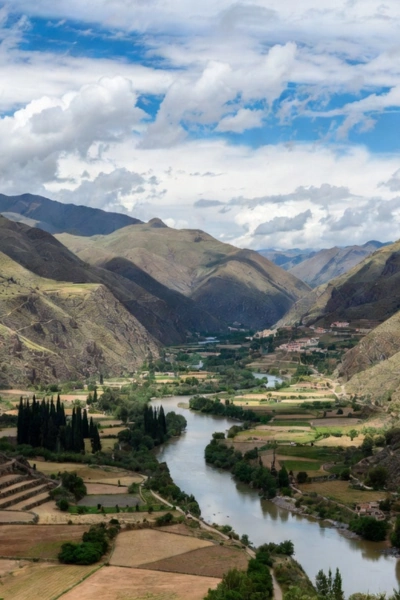
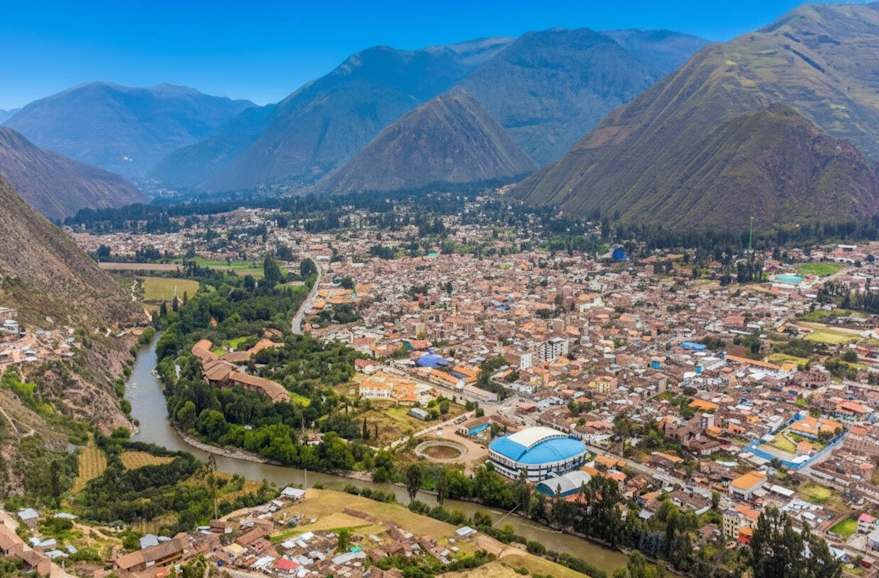
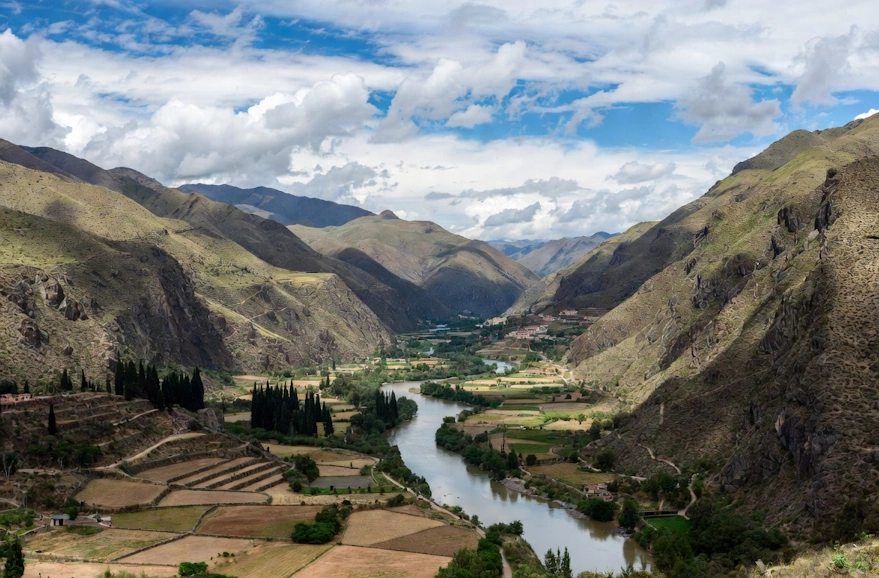
    Machu Picchu grabs every headline, and yeah, it’s earned that spotlight. The first time I crested that final ridge and saw it spread out below, my stomach actually flipped. Unreal place. But here’s the odd thing, months later, when Peru drifts into my head uninvited, it’s rarely the citadel that shows up first. More often it’s the Sacred Valley. That long, slow curve of land hugging the Urubamba River down from Cusco. It doesn’t shout. It just settles in, like an old song you didn’t realize you knew by heart.

    If you’re thinking about Peru or just browsing photos late at night, give the Sacred Valley extra days. I planned a quick stop before Machu Picchu, but it stole my schedule. Added nights in Urubamba for slow mornings with coca tea and mountain light. I’ll share history that still gives me chills, spots where I lost afternoons wandering, easy chats with locals that made it feel alive, and practical bits like how the Sacred Valley altitude kept headaches away while exploring Cusco and the Sacred Valley of the Incas.

    Cusco Beyond Machu Picchu

    I remember driving down from Cusco one morning, windows cracked, cold highland air turning warmer by the minute. The road twisted, pines thinned, and suddenly the valley floor opened wide, green and bright, river glinting like someone had spilled mercury. Fields everywhere, terraces stepping up the hills in these perfect, almost lazy waves. Every so often an old Inca wall would pop up right in the middle of a modern potato patch, stones fitted so tight you couldn’t slip a coin between them. No museum rope. No sign. Just there, doing its thing after five hundred years.
    The Incas weren’t lucky finding this place. They were sharp. Up in Cusco the nights bite hard, frost kills tender crops quick. Down here in the Sacred Valley of the Incas the climate softens, nights stay milder, and they could grow those big, sweet maize kernels that made the best chicha. You’d see chicha everywhere, cloudy yellow in plastic buckets at markets, poured into ceremonies, shared after a long day’s work. They stacked the extra harvest in those round colcas on the hillsides, little stone storehouses you still spot like forgotten beehives. Some are crumbling now, vines sneaking in, but plenty stand solid.

    The Sacred Valley altitude hangs mostly between 9,200 and 9,800 feet along the river. Cusco sits way up over 11,000. A lot of folks now start their trip right here, sleeping a couple nights in Urubamba or Pisac before heading higher. Best decision I made on my last visit. No pounding headaches, no dizzy spells. Just slow mornings with coffee and mountain light easing in.
    Terraces are the thing that get me every time. They sweep up impossible slopes in these long, curving lines that look almost hand-drawn. Farmers still work heaps of them the old way, oxen pulling wooden plows, kids running along the edges. Water runs down stone canals laid out centuries back, quiet and steady, feeding rows of potatoes, quinoa, fava beans, tarwi. You smell wet earth, eucalyptus drifting from groves someone planted long ago. Far off, the snow peaks catch whatever sun is left and throw it back.

    Late afternoons around Urubamba were my favorite. Sun dropping behind the western ridge and light turning thick. Shadows stretching long across terrace steps. River talking constant in the background. I’d sit on some low wall with a cold Cusqueña beer or a cup of coca tea, watching clouds shift over the peaks, feeling the day wind down. Nothing planned. No rush. Just that slow exhale the valley seems to invite. Those moments don’t photograph well, but they stick harder than any postcard view.
    Sometimes I’d wander into a small village market, not the big tourist ones, just locals trading. Old women in layered skirts and tall hats sorting potatoes into piles by variety, hundreds of kinds, purple, yellow, red, tiny ones no bigger than marbles. Someone grilling trout pulled from the river that morning. Fresh cheese wrapped in banana leaves. A guy selling bundles of muña and coca for tea. You buy a little, chat in broken Spanish and smiles, and suddenly the afternoon is gone.
    It’s funny how the valley doesn’t try to impress. It just is. And somehow that makes it harder to leave behind.

    The Sacred Valley: A Hub of Natural Beauty and Inca Ruins

    Leave Cusco in the morning and the road drops fast. Pines give way to open views. The valley floor appears suddenly, green and broad. River flashes silver. Terraces rise in perfect rows. The Incas built heavy here because the land gave back heavy.
    Royal estates once dotted quieter corners. Emperors escaped the capital’s noise. Defensive sites watched narrow passes. Storage buildings held enough to feed armies or survive dry years. Lower elevation meant reliable seasons. Maize flourished. Empire stayed strong.
    Stonework impresses without trying. Walls fit tight, no mortar needed. Aqueducts carry water across valleys on arches that defy time. Much of the system still irrigates fields. Nature never fights the human touch. It partners.
    Birds wheel overhead constantly. Condors sometimes. Herons stalk river edges. Falcons ride thermals. The whole place hums at a slower rhythm.

    What is the Sacred Valley?

    The valley follows the Urubamba River from Pisac eastward to Ollantaytambo and a bit beyond, roughly sixty miles of prime land. The Incas called the river Willkamayu, sacred river, because its path echoed the Milky Way they watched at night.
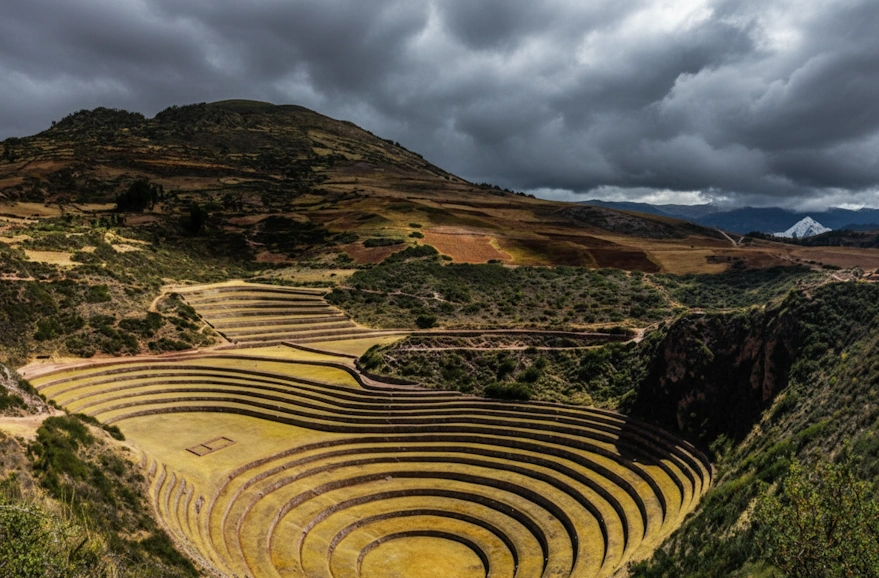
    Farms cover most of it now, just like then. Temples exist but don’t dominate. The real holiness lived in abundance. Different heights packed into one valley created natural zones for testing crops from coast, highlands, even jungle edges. Moray’s huge sunken circles acted like living laboratories. Each terrace ring stayed a few degrees cooler than the one above. Perfect for breeding hardier strains of potatoes or maize.
    Life moves over the history without pausing. A tractor rumbles past a wall from the 1400s. Schoolkids chase each other around foundations older than Europe knew the Americas. Nothing feels staged.

    History and Importance

    People farmed the valley long before the Incas arrived. The soil simply invited it. When the empire surged forward in the mid 1300s under leaders like Pachacutec, they poured resources in. Trails became proper roads. Storage sites multiplied. Irrigation turned steep hills productive.
    Ollantaytambo stood firm longest during the Spanish invasion. Manco Inca opened water channels, flooded the plain below the fortress, bogged down horses, then rained stones from terraces above. Rare moment when invaders backed off, even briefly. The valley also funneled trade from lowland jungles, bringing coca leaves, feathers, fruits the highlands lacked.
    Food security built everything else. Workers stayed fed while carving stones for bigger projects. Traveling back and forth between Cusco and the Sacred Valley of the Incas shows the planning in every curve of canal, every placement of terrace wall.

    Hidden Cultural Wonders You Shouldn’t Miss

    Well known sites pull visitors naturally. Pisac ruins climb high above town, temples and residences carved into cliffs, astronomical sight lines built in. Views stretch forever. The Sunday market below spills color and noise as farmers and weavers bring goods from miles around.
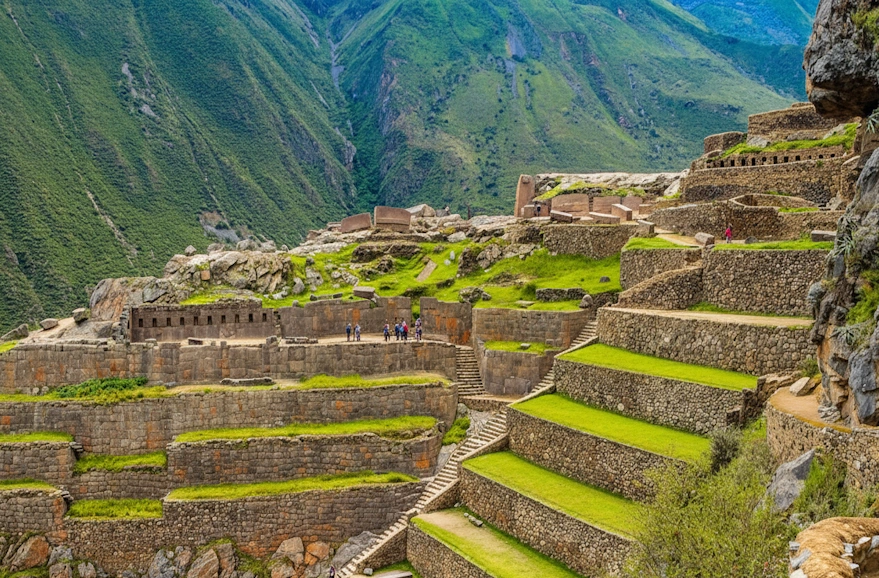
    Ollantaytambo keeps the old urban plan alive. Narrow streets follow original grid. Stone canals carry water openly beside cobblestones. People live inside history without noticing. The fortress above moved stones weighing dozens of tons from quarries across the river. Logistics still baffle engineers.
    Moray drops deep in concentric rings, temperature shifting steadily downward. Ideal setup for agricultural trials. Maras nearby covers a hillside in thousands of small salt evaporation ponds. One underground saline spring feeds them all. Local families maintain plots passed down generations, scraping salt by hand in the old cooperative way.
    Smaller spots reward wandering. Chinchero sits higher, famous for weaving cooperatives where natural dyes produce intense colors. Colonial church rests directly on Inca foundations. Pinkuylluna granaries climb the hill opposite Ollantaytambo, short steep hike for views most skip.
    Favorite corners include

    Pisac:

    • Archaeological park and bustling weekly market

    Ollantaytambo:

    • Fortress integrated with living town and working water system

    Moray:

    • Experimental terraces quiet and thought provoking

    Maras salt mines:

    • Shimmering white against green slopes

    Chinchero:

    • Weaving centers and high plateau feel

    Lesser trails:

    • Isolated storehouses or aqueduct sections

    Time without tight schedules lets the valley unfold naturally.

    Festivals and Living Culture in the Sacred Valley

    Traditions run strong and unbroken. Festivals arrive loud and colorful, blending Andean roots with Catholic calendar. June brings Lord of Qoyllur Rit’i pilgrimages or Inti Raymi sun honoring in Cusco with echoes down valley. Music spills everywhere. Dancing lasts days.
    Smaller community events pop up year round. Villages honor patron saints or earth itself with processions up mountain paths. Brass bands mix with traditional flutes. Costumes layer meaning. Food appears endless: roasted corn, dozens of potato types, guinea pig if offered, chicha flowing freely.
    Weaving stays central. Many villages specialize. Women set up backstrap looms outside homes. Wool comes dyed from cochineal insects for red, various plants for yellows, greens, blues. Patterns tell stories of rivers, mountains, family lines. Watching the work unfold over conversation shows the patience involved.
    Markets remain the pulse. Stalls heap with potato varieties numbering hundreds. Quinoa in red, black, white. Fresh trout from the river. Medicinal herbs bundled tight. Meals taste of place because ingredients traveled minutes, not days.

    Sacred Valley hotels suit different moods. Some sit right in small towns like Pisac or Urubamba, family run and simple. Others spread farther out with gardens full of native flowers and wide views. Mornings start slow with mountain light pouring in. Roosters call. River keeps its steady talk.
    The Sacred Valley grounds everything grander in Peru. It fed the empire. Innovated quietly. Keeps customs breathing today. Days spent walking village streets, hiking short trails, sharing meals or just sitting with the views build something lasting. The valley often turns into the part of the trip people remember most fondly.

    Frequently Asked Questions

    What is the Sacred Valley?

    • Long fertile stretch along the Urubamba River from Pisac to Ollantaytambo where Incas produced food on massive scale and built key centers, lower and warmer than Cusco.

    Why is it called the Sacred Valley of the Incas?

    • River carried holy status as earthly Milky Way while valley grew maize essential for ceremonies and empire sustenance.

    What is the Sacred Valley altitude?

    • Valley floor sits generally 9,200 to 9,800 feet, noticeably easier than Cusco’s 11,150 for adjusting to elevation.

    How does it connect to Cusco and Machu Picchu?

    • Roughly one hour drive downhill from Cusco with Ollantaytambo serving main train station for Machu Picchu journeys.

    What kinds of Sacred Valley hotels exist?

    • Range includes small family guesthouses in villages and larger properties set back with gardens and panoramic views.

    What happens on a Sacred Valley tour?

    • Typical full day visits Pisac ruins and market, Ollantaytambo fortress, Moray terraces, Maras salt mines though spreading across multiple days allows slower pace and deeper feel.
  • Sweet Secrets of Peruvian Desserts: Food as a love language

    Sweet Secrets of Peruvian Desserts: Food as a love language

    Ever wonder what happens when you mix high altitude grains with sugar that sailed across oceans centuries ago? That is peruvian desserts in a nutshell. You bite into something sticky or creamy, and suddenly you are tasting mountains, colonial convents, and street fairs all at once. It is not just sugar rush stuff; it is history you can lick off a spoon.

    Stick around a bit. We will wander through the history of peruvian desserts with a proper timeline, talk about why these treats still glue families together, and then linger over typical peruvian desserts favorites, each with a longer story because, honestly, one sentence never does justice to the way picarones drip or lucuma melts. Think of this as your curious friend rambling over coffee, not some textbook.

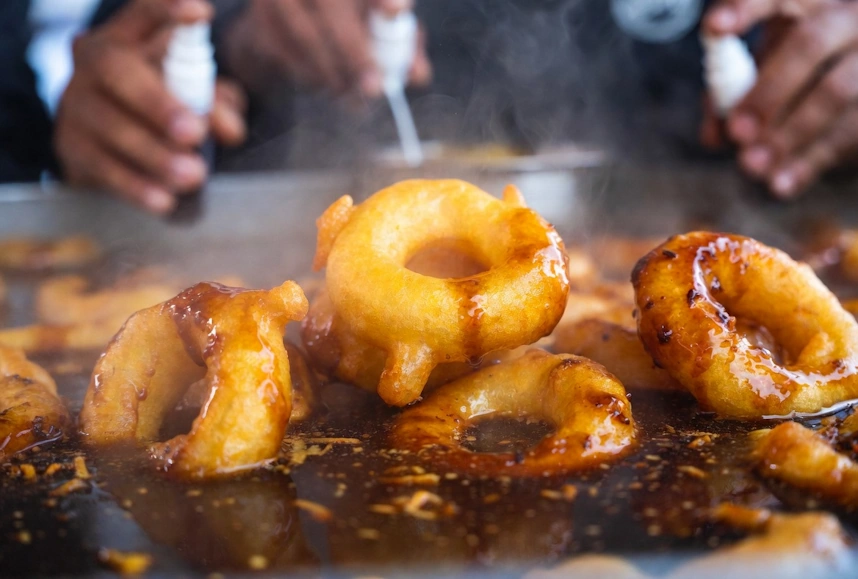
    Picarones being fried
    Picarones always a sweet treat

    Digging into the History of Peruvian Desserts

    Long before anyone in Peru knew what refined sugar looked like, sweetness came from the land itself. People in the Andes chewed on sweet pacae pods or drizzled honey from stingless bees over toasted kiwicha. Maize was the star, turned into thick porridges that doubled as dessert after a long day herding llamas. These were practical sweets, fuel for cold nights, and sometimes offerings tossed into the earth to keep Pachamama happy. Imagine that, you’re after dinner treat also feeding the gods.

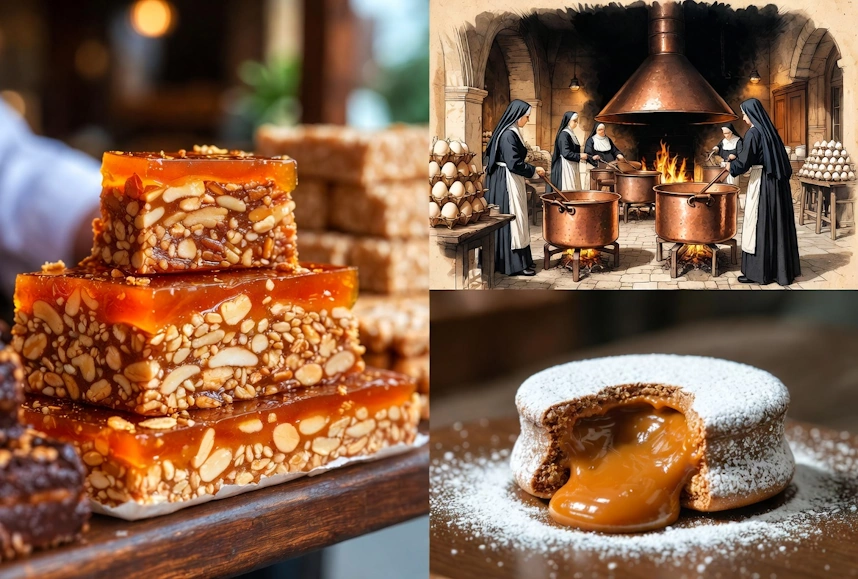
    Then the Spanish showed up in 1532, crates of cane sugar rattling in their ships. Eggs, milk, and wheat followed. Nuns locked away in Lima convents had time on their hands and started stirring. They took local fruits, added European techniques, and boom, new classics. African cooks brought in by force contributed frying skills and spice blends. By the 1700s, Lima streets smelled of anise and caramel. Cities grew, migrants carried recipes, and what started regional went national. Modern chefs now dig even deeper, reviving forgotten grains like purple corn for Instagram worthy bowls.

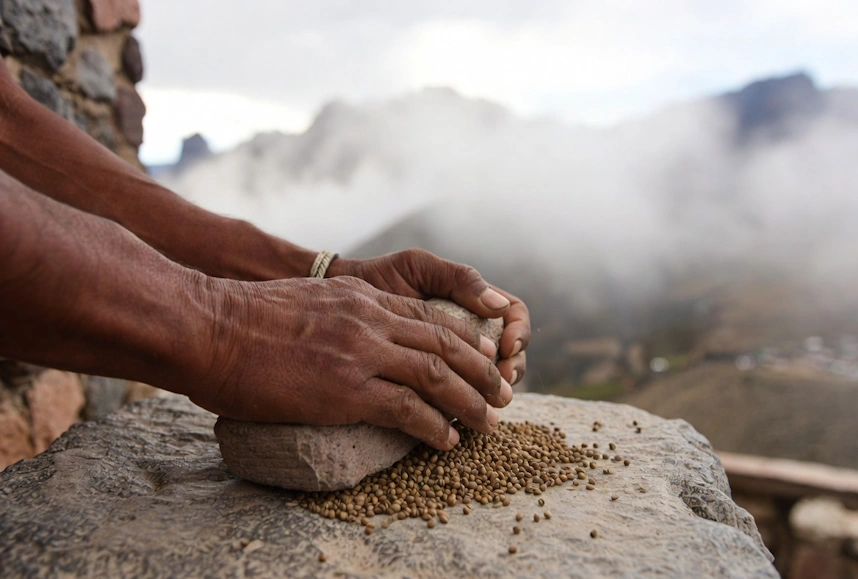
    Hands grinding some kiwicha in a stone
    Hands grinding some traditional kiwicha in a stone

    Timeline pulled from solid records 

    Before 1532

    Indigenous groups rely on native fruits, maize, and natural sweeteners; early mazamorras appear in coastal and highland diets (Menzel, 1958).

    1532 to 1600

    Spanish introduce sugar and dairy; first recorded milk-based sweets emerge in urban centers (Cobo, 1653/1890).

    1600 to 1800

    Convent culture peaks; recipes for suspiros and turrón circulate in manuscripts (Vargas, 1746/1954).

    1800 to 1900:

    Post independence, European pastry influence grows, but Peruvian cooks adapt with lucuma and chancaca.

    1900 onward:

    Urbanization spreads regional treats; contemporary revival emphasizes pre Columbian ingredients (Garcilaso de la Vega, 1609/1966; Rostworowski, 1989).

    That is the backbone. The history of peruvian desserts is Peru itself, layered, messy, resilient.


    Some traditional desserts
    Tradition made with love


    The Importance of These Sweets in Everyday Life

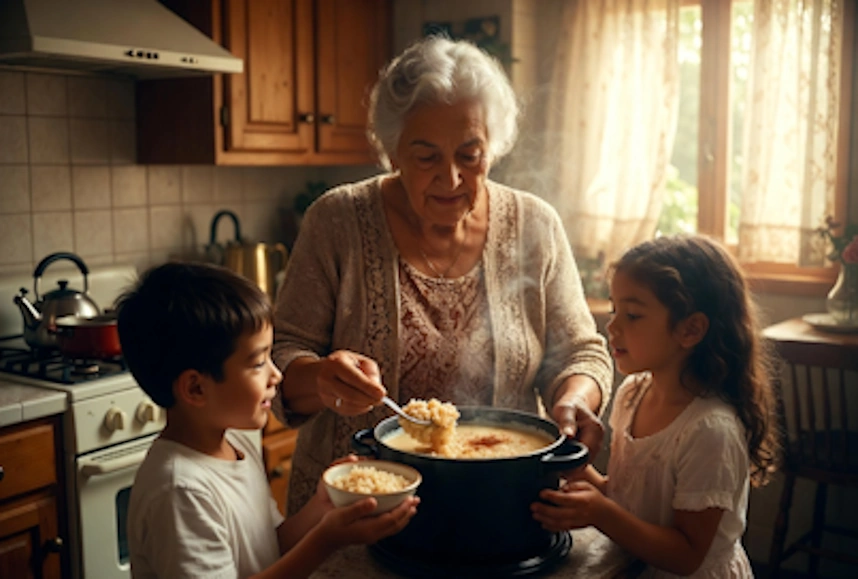
    You do not just eat peruvian desserts, you live them. A grandmother in Cusco ladles arroz con leche for grandchildren home from school, and the cinnamon steam carries memories. At festivals, picarones vendors flip squash rings while crowds cheer saints overhead. These moments matter. Sweetness marks time, birthdays, funerals, first paychecks. Skip the dessert table at a Peruvian party, and you might as well skip the party.

    Grandma making a delicious dessert called arroz con leche
    Grandma’s arroz con leche

    There is a bigger picture too. Many ingredients grow only in Peru’s crazy diverse pockets, coastal valleys, misty highlands, steamy jungle edges. Lucuma trees, purple corn fields, camu camu vines, they all need protecting. When you scoop lucuma ice cream, you are voting with your spoon for farmers who refuse to swap ancient crops for quicker cash. It is quiet activism, delicious kind. And honestly, in a world of vanilla everything, these flavors scream identity.

    Spotlight on Typical Peruvian Desserts 12 Must Tries with Deeper Stories

    • Let us get to the good part. Below are typical Peruvian dessert picks, but I stretched the descriptions because rushing through food talk feels wrong. Each has quirks, textures, smells, and the little things that make you close your eyes mid bite. Try picturing them, or better, hunt down ingredients and make a mess in your kitchen.

    Suspiro a la Limeña

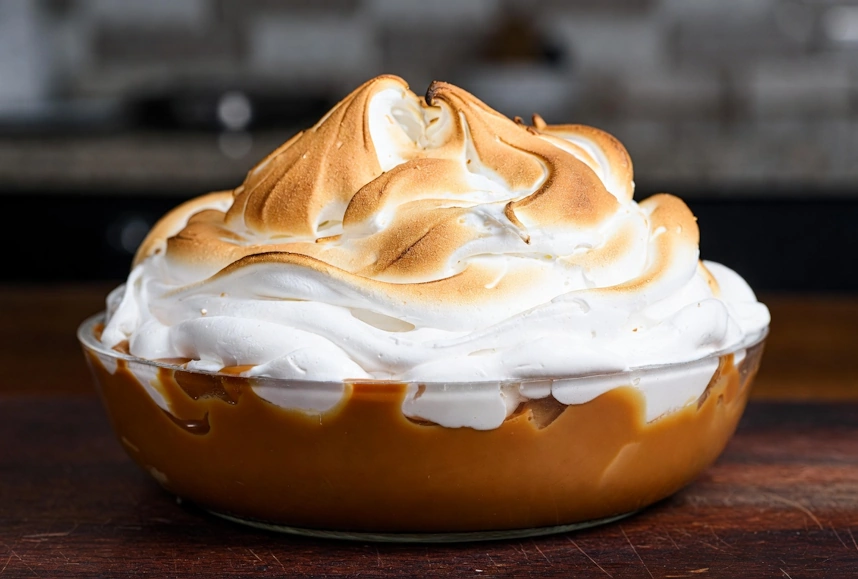
    • Start with manjar blanco cooked so long the milk sugars caramelize into velvet. You pile on meringue whipped with port wine syrup until it stands in soft peaks. The contrast is everything, dense base, airy top, a sigh indeed. Limeños argue over the perfect wine ratio the way Italians debate pasta water.
    Traditional dessert called Suspiro a la Limeña
    Suspiro a la Limeña

    Picarones

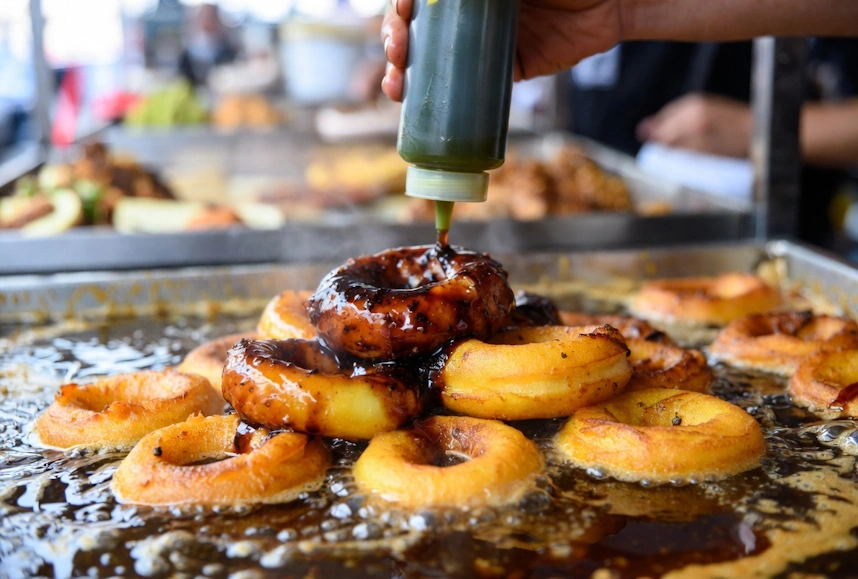
    • Squash and sweet potato mash ferments slightly, then gets shaped into rings and fried golden. Chancaca syrup, thick with clove, cinnamon, and orange peel, soaks in while hot. Vendors squirt fig leaf essence for that herbal kick. Eat them fresh or regret it; cold picarones are sad.
    Traditional dessert called Picarones
    Picarones

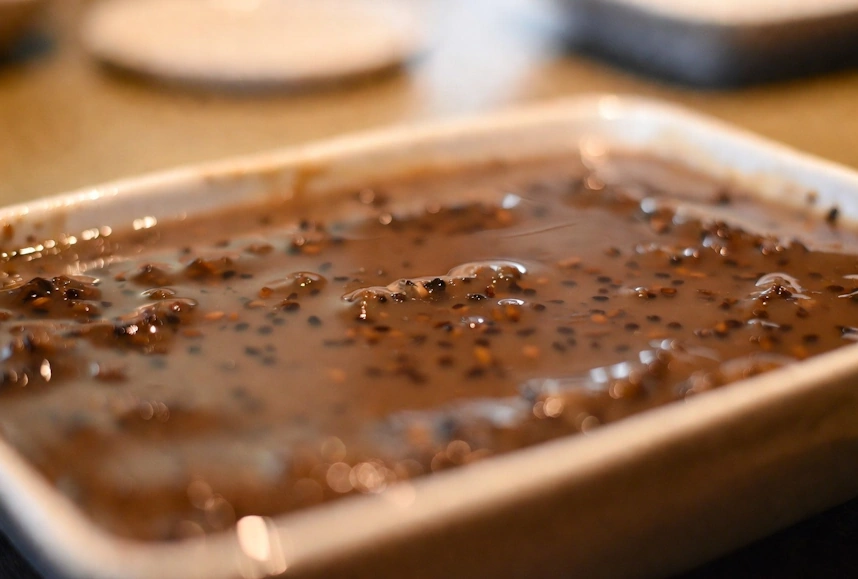
    Mazamorra Morada

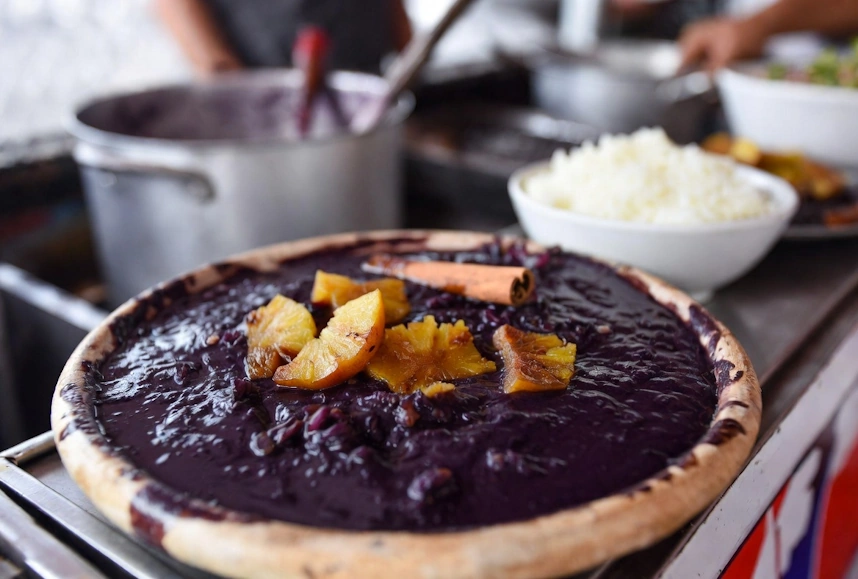
    • Purple corn boils with pineapple rinds, quince chunks, cinnamon, cloves until the pot turns inky. Starch thickens it to pudding consistency, then in go prunes, raisins, dried peaches. Dust with ground cinnamon. Pair with arroz con leche and call it clásico, a purple white marriage made in street cart heaven.
    Traditional dessert called Mazamorra Morada
    Mazamorra Morada

    Arroz con Leche

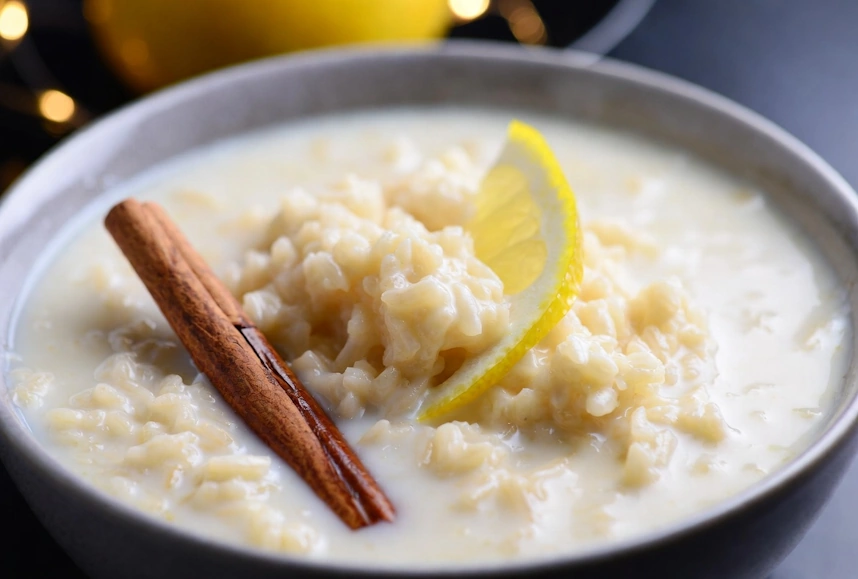
    • Rice swims in milk with a cinnamon stick and lemon peel until grains plump and liquid reduces to cream. Sugar at the end, raisins if you are feeling traditional. Some sneak in condensed milk for extra silk. It is the dessert equivalent of a hug from someone who smells like vanilla.
    Traditional dessert called Arroz con Leche
    Arroz con Leche

    Turrón de Doña Pepa

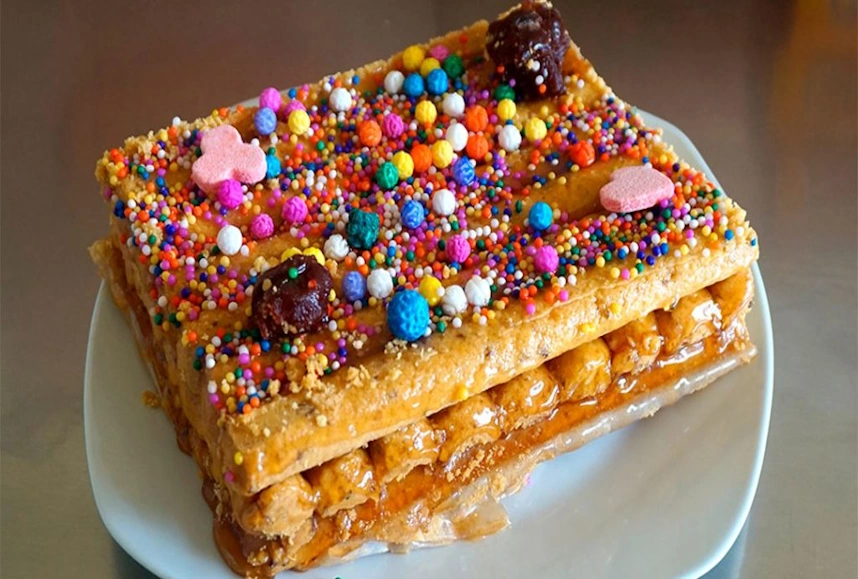
    • Anise dough layers baked crisp, stacked with apples, figs, pecans, drenched in multicolored honey syrup. José de la Rosa, freed in the 1700s, created it as thanks for a miracle. October in Lima means purple banners and turrón towers taller than kids.
    Traditional dessert called Turrón Doña Pepa
    Turrón Doña Pepa

    Alfajores

    • Buttery shortbread cookies sandwich manjar blanco so generous it oozes at first bite. Powdered sugar snows on top, or sometimes melted chocolate coats the edges. Peruvian ones lean softer than neighbors, almost cake like crumble.
    Traditional dessert called Alfajores
    Alfajores

    Ranfañote

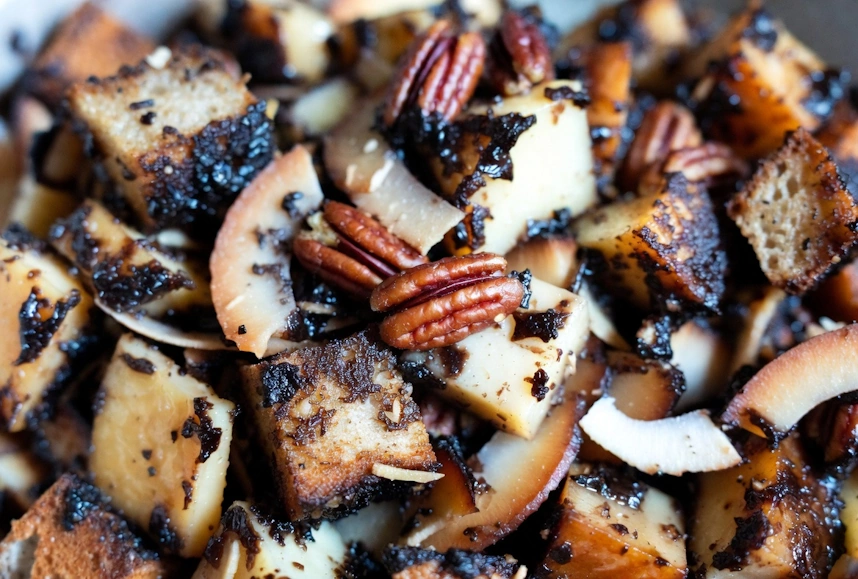
    • Leftover bread, coconut shreds, aged cheese, pecans, all bound in chancaca and baked dense. Salty sweet chaos, born from not wasting a crumb in tough times. The cheese surprises first timers every time.
    Traditional dessert called Ranfañote
    Ranfañote

    King Kong

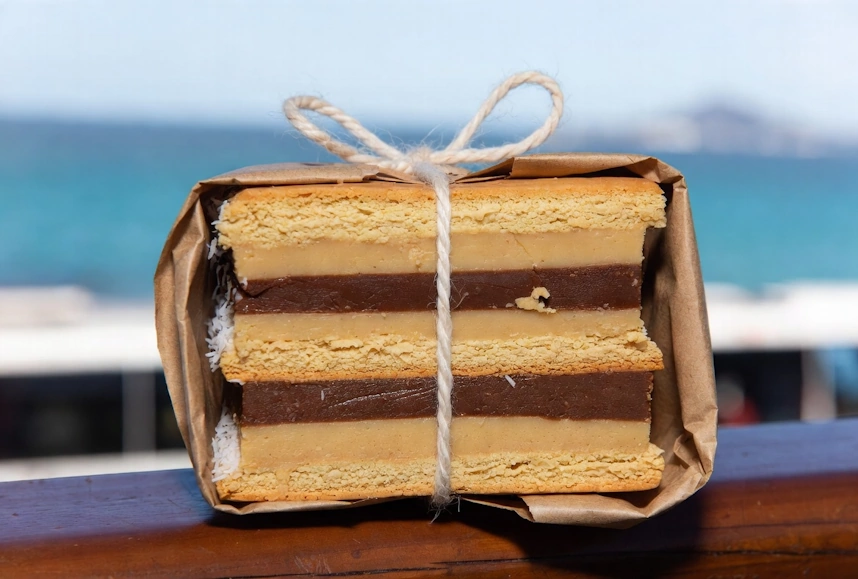
    • From the north, massive alfajor slabs alternate manjar with peanut paste or coconut. Wrapped tight, it travels well, perfect for bus rides with sea views. The name? Because it is huge, obviously.
    Traditional dessert called King Kong
    King Kong

    Tejas

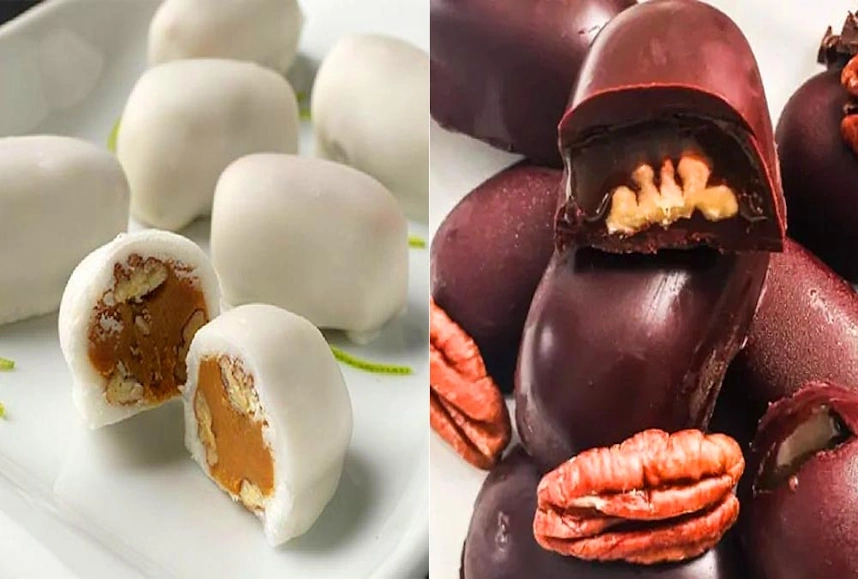
    • Lima convent classic. Lime or anise fondant shells encase manjar coated fruits, pecans, figs. They gleam like pastel gems in bakery cases. Unwrap slowly; the crack is half the fun.
    Traditional dessert called Tejas
    Tejas

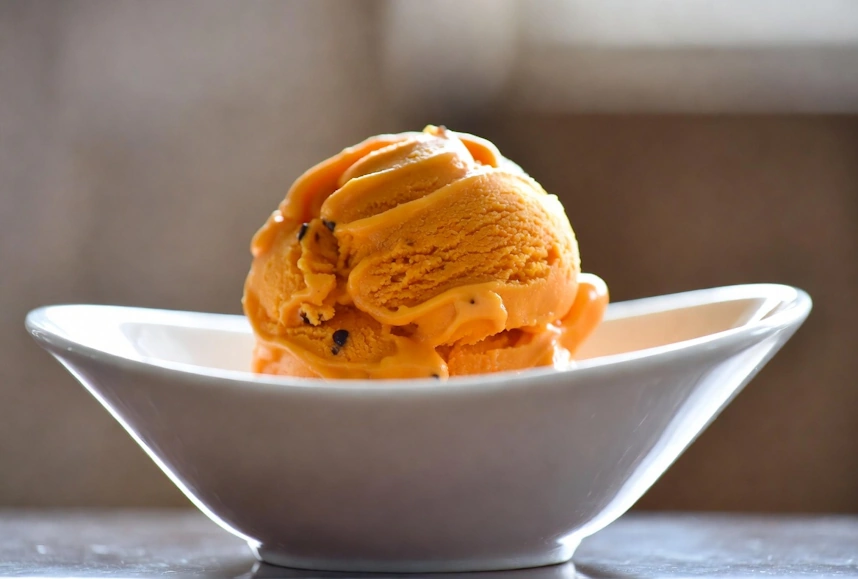
    Lucuma Ice Cream

    • Lucuma pulp, orange fleshed and maple scented, churned with milk and sugar. Texture like dense gelato, flavor defying words, think sweet potato meets butterscotch with earth undertones. Peruvians mourn when exported powder runs out.
    Dessert called Lúcuma ice cream
    Lúcuma ice cream

    Mazamorra de Chancaca

    • No meat here, just potato starch, coconut milk, cinnamon, set into wobbly cubes. Slice, serve cold. Bouncy mouthfeel shocks, then comforts. Old school vegan before it was trendy.
    Traditional dessert called Mazamorra de Chancaca
    Mazamorra de Chancaca

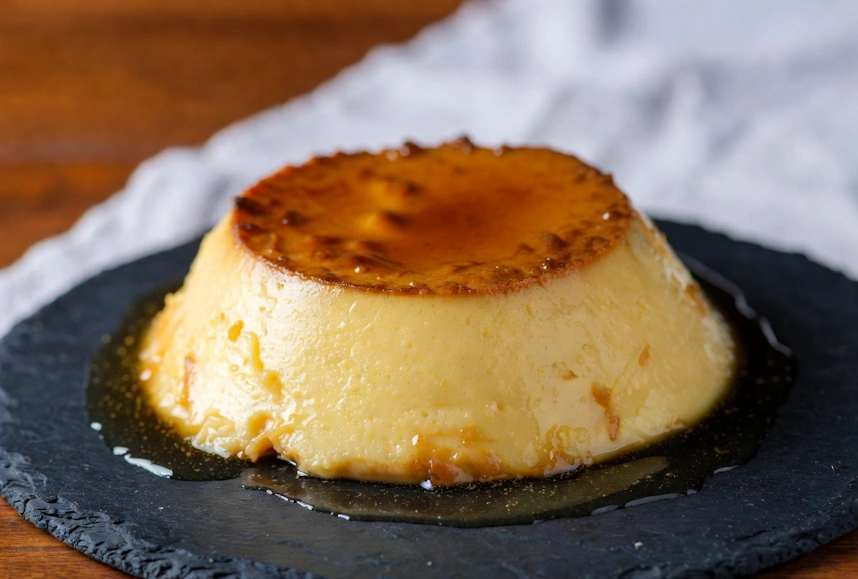
    Crema Volteada

    • Flan but make it richer, evaporated and condensed milks, caramel poured hot to crackle. Flip onto a plate, watch the sauce pool. Coconut shreds sometimes sneak in for island flair.
    Traditional dessert called Crema Volteada
    Crema Volteada

    There you have typical peruvian desserts windows into Peru. Pick one, chase the ingredients, make mistakes, that is how traditions stay alive. Next rainy afternoon, simmer some purple corn or fry a picarón. You will taste the Andes, the coast, the convents, the markets, all in one imperfect, glorious bite. Sweetness, after all, is how Peru says remember me.

    References

    • Cobo, B. (1890). Historia del Nuevo Mundo (Original work published 1653). Sociedad de Bibliófilos Andaluces.
    • Garcilaso de la Vega, I. (1966). Royal commentaries of the Incas (Original work published 1609). University of Texas Press.
    • Menzel, D. (1958). The Inca occupation of the south coast of Peru. Southwestern Journal of Anthropology, 14(2), 125-145.
    • Rostworowski, M. (1989). Costa peruana prehispánica. Instituto de Estudios Peruanos.
    • Vargas, J. (1954). Historia del Perú (Original work published 1746). Librería e Imprenta Gil.

    Frequently Asked Questions

    What sets Peruvian desserts apart from the rest of Latin America?

    • It is the fearless collision of Andean grains, Amazon fruits, and colonial dairy that spins out flavors no other place touches, definitely not the flan you know from Mexico or Argentina’s tidy alfajores. Swap out plain cornstarch for purple corn pudding and you will taste the difference in one spoonful.

    Is it possible to whip these up without hunting down rare Peruvian stuff?

    • Some yes, like arroz con leche. Others need lucuma powder or chancaca, but online shops deliver. Substitutions work in a pinch, though the soul shifts a little.

    Which dessert screams Peru the loudest for a first timer?

    • Suspiro a la Limeña. Creamy, boozy meringue, caramel depth, pure indulgence with a story.

    Do regions fight over who owns certain desserts?

    • All the time. Turrón claims Lambayeque and Lima both. Picarones are Lima’s but travel everywhere. Friendly rivalry keeps things tasty.
  • New Year in Cusco

    New Year in Cusco

    Celebrating New Year in Cusco is an experience that blends tradition, festive energy, and a unique connection to Andean culture. The city lives this transition with a special intensity that can be felt in every street, every ritual, and in the excitement of those who gather to welcome a new beginning. It is a moment when travelers and locals come together to share customs that have been passed down through generations.

    In this guide, I invite you to explore how New Year is experienced in Cusco. Here you will learn about its origins, how the celebrations have evolved, the different ways people enjoy this night, and the small secrets that make this tradition so authentic. Keep reading to uncover how this celebration became an essential expression of Andean identity and why it attracts people from many corners of the world.

    New Year
    New Year

    How New Year Is Celebrated in Cusco

    The Plaza de Armas Cusco New Year celebration is the most iconic event of the night. The area transforms into a meeting point filled with songs, laughter, and personal rituals. Many arrive well before midnight to secure a good spot to watch the fireworks.

    As the new year approaches, the crowd begins to move together, walking around the square in a symbolic circle. This act represents progress and the desire to leave behind what no longer serves. The collective energy of the moment is powerful and difficult to describe without experiencing it firsthand.

    New Year Celebration
    New Year Celebration

    What to Do on New Year’s in Cusco

    • If you are wondering what to do on New Year’s in Cusco, there are many options for different tastes. A simple yet enjoyable plan is to stroll through the historic center and observe how each neighborhood expresses its own traditions. You will see flower rituals, spiritual offerings, and small family ceremonies that reveal the city’s cultural richness.
    • Another great option is visiting nearby viewpoints. Places like San Cristóbal and the San Blas neighborhood offer wide views of the city, perfect for watching the fireworks in a quieter setting. These spots allow you to enjoy the celebration from a different perspective, taking in the lights of Cusco as the new year begins.

    There’s also the option to take this route with a company if you prefer. Some people choose to explore it with local agencies such as the Belcheri Travel Agency, especially when they want a smooth guided experience with someone who knows the area well.

    Andean Rituals and Customs for New Year

    Andean traditions play a strong role in the celebrations. Many people perform cleansing rituals with aromatic herbs to start the year with clarity and balance. These practices reflect a worldview in which each new cycle should begin with intention and positive energy.

    You will also find ritual tables prepared with items symbolizing abundance, protection and gratitude. Each element has a specific meaning linked to the Andean relationship with nature and the cycles of time.

    Flower baths
    Flower baths

    Recommendations for Enjoying New Year in Cusco

    To enjoy the night comfortably, it helps to keep a few things in mind. Cusco has cold evenings in December, so warm clothing is essential. It is also wise to arrive early at the Plaza de Armas Cusco New Year celebration if you want to be part of the main gathering.

    If you prefer a quieter experience, choose a nearby viewpoint or stay in surrounding streets where you can still feel the atmosphere without being in the middle of the crowd. Each option offers a different way to experience the night, so it is best to follow the pace that feels right for you.

    Conclusion

    New Year in Cusco is a celebration where tradition, collective emotion and Andean culture come together to create something unforgettable. From the Plaza de Armas to the quieter neighborhoods, the entire city transforms to welcome a new cycle filled with hope. Experiencing this date in Cusco allows you to see how a place can turn a celebration into a deeply symbolic and memorable moment.

  • Christmas in Cusco

    Christmas in Cusco

    The magic of Christmas in Cusco is unlike any other celebration. The streets fill with color, Andean carols echo through the city, and families prepare to share moments shaped by tradition, faith, and joy. Every corner reflects a living blend of Quechua customs and the colonial heritage, giving this season a unique charm.

    As you explore this topic, you’ll find stories, traditions, and details that reveal what this season truly means in the city. Here we dive into everything that defines Christmas in Cusco. You’ll get a sense of its origins, the traits that make it so unique, and the small curiosities that have turned it into a celebration recognized far beyond Peru. Join me to look into its past, its many expressions, and some of the secrets that explain why this holiday has endured and continues to captivate everyone who experiences it.

    Christmas ornaments
    Christmas ornaments

    How Christmas Is Celebrated in Cusco

    In Cusco, Christmas is celebrated with a deep sense of community. Homes come alive with family gatherings, where food and tradition play the main role. On Christmas Eve, families share a festive dinner featuring traditional dishes, desserts, and warming drinks to fend off the cold weather.

    The streets take on the colors and energy of the season. Early in the morning, handcrafted decorations appear throughout the city, made of ceramics, wood, and textiles by skilled Cusqueño artists. These creations do more than decorate the streets, they express the rich cultural identity of the locals. Walking through the historic center becomes a journey of color, creativity, and celebration, where every corner reflects the spirit and artistry of Christmas in Cusco.


    Christmas carols from Cusco
    Christmas carols from Cusco

    Santurantikuy and the Work of Cusco Artisans at Christmas

    One of the most anticipated moments of the season is Santurantikuy. This fair begins on December 22, 23, and 24 in the Plaza de Armas and is one of the most representative events of Christmas in Cusco. Here artisans display nativity figures, religious images, and pieces made with techniques passed down through generations.

    The atmosphere is lively and warm. Families walk between the stalls looking for unique pieces to decorate their homes. Cusco artisans show remarkable skill in every detail. Many consider this fair the perfect moment to appreciate the cultural richness of the region through its handmade art.

    Cusco Birth
    Cusco Birth

    Christmas Dinner in Cusco and Its Traditional Flavors

    Christmas dinner in Cusco is one of the most cherished moments for families. While menus vary from house to house, there are dishes that have remained popular due to their cultural roots. These recipes combine Andean ingredients with outside influences that arrived over time.

    Some foods commonly found on the table include:

    • Roasted turkey seasoned with local herbs
    • Cusco-style tamales
    • Thick hot chocolate
    • Sweet holiday breads

    Each family adds its own touch to these dishes, making the Christmas dinner a deeply personal expression of love. For many, this holiday is a celebration of flavors, memories, and cherished moments shared around the table.

    Cusco dinner
    Cusco dinner

    Religious Traditions and Family Customs

    The first Christmas church service, known as the “Misa de Gallo,” remains an important tradition in Cusco. On Christmas Eve, churches fill with the faithful, gathering to welcome the arrival of Christmas. The Cathedral and other historic churches in the city center become spaces where Andean chants blend with prayers, reflecting the deep faith of the Cusqueño people.

    At home, the evening continues with intimate family activities. Many families set up nativity scenes using figures crafted by Cusco artists, others prepare warm holiday drinks, and some visit neighbors to exchange greetings and good wishes. The celebration often lasts into the early hours, enveloped in a warm and sharing atmosphere, where tradition, faith, and union define the night.

    Art and Music During the Season

    Music plays an essential role in Christmas in Cusco. Groups of children and young people sing carols accompanied by Andean instruments that give the melodies a distinct local sound. These performances take place in plazas, streets, and markets, filling the city with a festive spirit throughout the week.

    Art also appears in murals, decorations, and cultural displays found in different neighborhoods. The colors and designs reflect the identity of the region and allow locals and visitors to connect with creative expressions that make Christmas in Cusco unforgettable.

    Conclusion

    Christmas in Cusco brings together traditions, flavors, and cultural expressions that remain alive thanks to families, neighbors, and artisans. From Santurantikuy to Christmas dinner in Cusco, every detail shows how this celebration has evolved without losing its essence. Experiencing it means understanding the connection between tradition, identity, and community that defines this Andean city during one of the most anticipated times of the year.

  • Machu Picchu Circuit 1: The Essential

    Machu Picchu Circuit 1: The Essential

    What is Circuit 1, the “Panoramic” Route for visiting Machu Picchu?

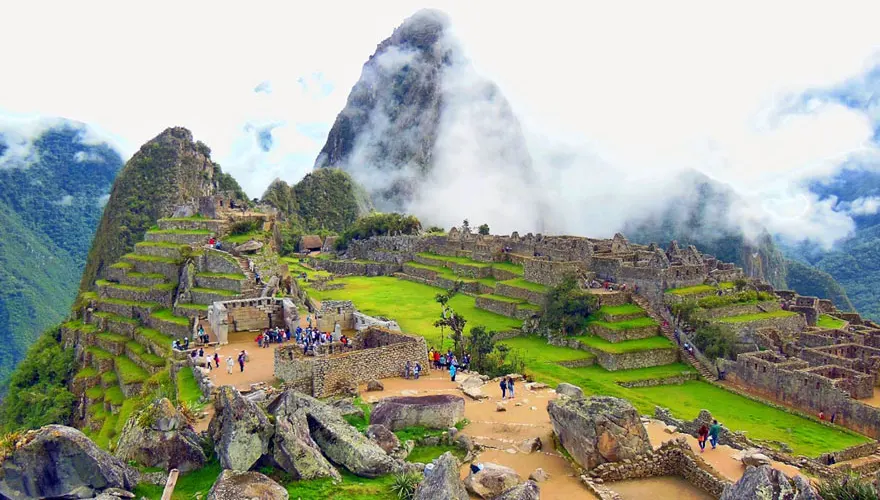
    Circuit 1, like Circuit 2 and Circuit 3, offers an alternative means to access Machu Picchu through a different route that runs along the upper tiers of the Inca citadel and leads visitors to the famous viewpoint for taking the postcard-worthy picture of Machu Picchu. Circuit 1 provides access to Machu Picchu Mountain, Intipunku (the Inca stone gateway), and to the fabled Inca Bridge.

    Machu Picchu | Belcheri Travel

    Machu Picchu : Route 1 Descriptions

    Machu Picchu/Mountain (Route 1A)

    • Route 1A is a circuit, which was previously accessible to the public before the Ticket Update took place.
    • It has been designed for those who would like to see the views of Machu Picchu and the breathtaking view of the geography (land forms) and climate of that area. At 3,082 metres above sea level, this route is considered the most rewarding climb of all circuits.
    • An average person can expect to reach Machu Picchu Mountain after climbing for a maximum of 4 hours, including a return climb down from the mountain to reach the valley again.
    • Route 1A is a walking route to Upper Platform / view-point located near the upper level of Machu Picchu. So, if you are physically able to walk and want to see some of the views of these sites, keep in mind that more than 1/2 of Route 1A will be in walking mode.

    Machu Picchu Classic Picture / Upper Terrace (Route 1B)

    • Route 1B is one of the easiest routes to follow on this route. The first parts of the route, near the beginning, provide pathways with steps leading to both high and low places (see right). The entire time taken to walk this route would not exceed 30 minutes.
    • The Upper Terrace will allow you to see the entire archaeological site of Machu Picchu.
    • You may spend as much as 2 hours visiting the archaeological features of Machu Picchu after your trip to the Upper Terrace.

    Machu Picchu and Inti Punku (Route 1C)

    • The main route starts with an access area and takes you around the upper terraces to reach your destination.
    • The trip to Machu Picchu itself takes 20-40 minutes from Inti Punku.
    • This also allows access to some of the best viewpoints of Machu Picchu.

    Machu Picchu and Inka Bridge (Route 1D)

    • This is the most direct route available around the entire Machu Picchu complex, as it is only a short walk to the Inka Bridge (approximately 30 minutes).
    • Route 1D also allows visitors to take a broad tour of Machu Picchu’s upper terrace levels.
    • Historically, this was a route that extended into the Amazon rainforest, and visitors will see a variety of native plants along Route 1D.
    • The paths you travel on were used by the Incas.


    Most significant points of the route Throughout Circuit 1 we will pass through emblematic places such as

    Circuit 1 Panoramic Route tours offer many reasons to take one of these tours. Although there are some similarities in each of these tours, the most popular reasons for taking any of these possible routes will provide you with one of the most rewarding experiences of visiting Machu Picchu. For example, there are routes that allow for spectacular photo opportunities. Generally speaking, there are those that are considered easy to are the best opportunities to see Machu Picchu. Let’s look at some additional reasons to consider the Circuit 1 Panoramic Route tours when visiting Machu Picchu.

    Tickets and Reservations for Circuit 1

    To visit the Circuit 1, you will need to purchase a “Machu Picchu – Circuit 1” ticket; tickets are available through the official government website for the Ministry of Culture, the Republic of Peru, and authorized ticketing agencies. For ease and convenience, you may also want to check with Belcheri Travel, as they can assist you with the tickets as well as the entire trip to Machu Picchu.

    It is highly recommended that you purchase your entrance ticket through the official Ministry of Culture, Republic of Peru, website a minimum of 30 days prior to your visit. If you are planning to travel during the high season (May-September), we recommend that you purchase your entrance ticket in advance.


    Recommendation: Buy your ticket 30 days in advance, especially if you travel between May and September (high season).


    Timeslot  Main advantages.

    • 6 to 7 a.m.: Soft light for photos and fewer visitors.
    • 8 to 9 a.m.: Clear weather and best for panoramic views.
    • 2 p.m. onward: Fewer visitors and the best light for sunset.

    Tips for your visit

    • Bring your original passport with you and printed or digital ticket.
    • Wear comfortable, non-slip shoes.
    • Bring water, a hat, sunscreen, and insect repellent with you.
    • Large backpacks, selfie sticks, or food are not allowed.
    • If you hire an authorized guide, you will understand better the history and symbolism of the place.

    The ideal time of the year to go to Machu Picchu

    • Dry season (April–October): more stable weather and clearer skies.
    • Rainy season (November–March): greener scenery and no tourists (you might see drizzle).
    • Recommendation: the best months to enjoy it in all its glory are from May to August.


  • Pucará Bulls: Tradition and Meaning

    Pucará Bulls: Tradition and Meaning

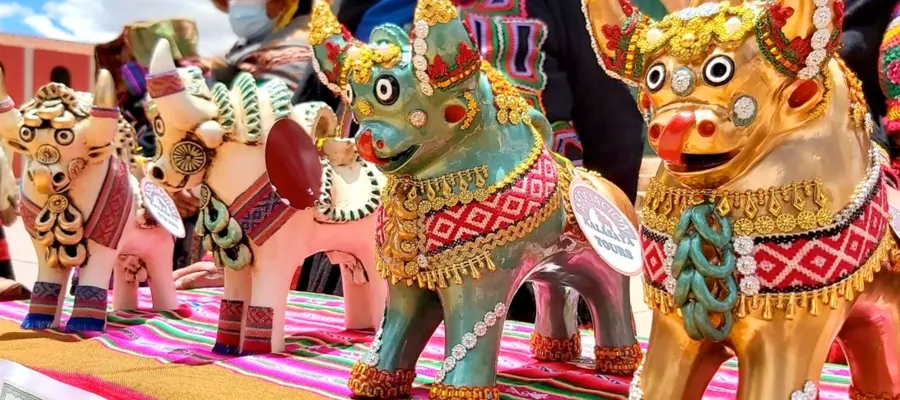
    In the high plateau of Peru, in a town called Pupuja, a colorful and symbolic tradition was born: the Pucará Bulls. They are not just figures but are representations of Andean duality, family protection, prosperity, and a deep relationship with the land and ancestors.

    In this journey through Pucará, I invite you to discover not only its legendary origin but also the rituals, the sacred colors, the master artisans behind each piece, and an opportunity to feel what is a millennium tradition with your own senses.

    1. Legend and Origin: a bull, a rock, and the source of life

    According to oral tradition, many years ago Pucará suffered severe drought. Wells dried up, and hope vanished. Then, a farmer ascended the hill of rocks with a bull, asking god Pachakamaq for water. During the ritual of sacrifice, the bull struck the rock, and, miraculously, water gushed forth, giving life back to the city.
    This story explains why the bull was adopted as a symbol of protection and abundance.

    However, its history is not merely folklore. Documentary evidence indicates that these bulls are extremely old: they were created in groups such as Satgo Pupuja or Checca Pupuja (province of Azángaro, Puno).
    Their ceremonial use has also been in place for centuries: they were utilized in the marking ceremony (señalakuy) for livestock, to mix chicha / beer with blood, as a fertility and prosperity symbol.


    Pucará Bulls | Belcheri Travel
    Pucará Bulls

    2. Deep meaning: not only an ornament, a living totem

    a) Andean duality

    Pucará bulls represent balance: placed together in pairs (“male and female”), they symbolize again believing in male and female energies coming together for balance and harmony, which is synonymous with well-being for the household.
    The Andean tradition is rich in this idea Duality is not conflict; it is complementarity.

    b) Symbolic elements

    Everything on the bull carries its specific meaning:

    • The hole located on the back of the bull represents fertilization, the renewing force of life.
    • The handle (the side handle) signifies the union between man and woman.
    • The tongue lolling out tradition indicates that it “licks the blood” of the sacrificial ritual, showing respect for the vital force.

    The spiral lines represent the cycle of life; the energy lifts and returns from earth to sky and sky to earth.

    c) The Significance of Colors

    The colors of the bulls are not just for decoration; each color expresses a wish:

    White: purity, peace, and protection.

    Red: vitality, love, and safety at home.

    Black: self-control and protection against bad energies.

    Blue: abundance, water, and spirituality.

    Green: fertility, health, and prosperity.

    Yellow: joy, abundance, and blessings.

    Orange: creativity, optimism, and celebration.

    3. Master craftsmen: a living heritage formed in clay

    In each of the bulls, there are families that for years have maintained the same tradition. An example of that is the family of Don Miguel Macedo Bobadilla from Lampa-Puno, which has been vital in keeping this art alive. Don Miguel Macedo Bobadilla is over 80 years old and is transmitting the tradition to his children so that it continues.

    The process of creating each bull is artisanal and very detailed. Selecting the clays used, such as kaolin, dolomite, gray clay, red clay, clay, and so on.

    Firing in traditional ovens at temperatures of 800 and 2000 degrees to give it resistance. Applying glaze and materials for this use includes slag smelting, metals, such as silver and manganese, and other similar minerals that provide shine. Hand painting the bull; every bull is unique both in shape and color.

    4. Traditional Functions in the Highlands: Where and How It Is Used

    The bulls are typically placed on roofs, generally paired with each other, taking the role of protective guardians and crowning the Andean home.

    They can also be prominent on gates, fences, or in home décor. In traditional events, such as the “señalakuy” (livestock marking), the bull has a ritual role as well: it was used to contain chicha mixed with animal blood for the offering to Pachamama.

    5. Cultural Heritage and Protection

    In 2019, the Ministry of Culture of Peru declared as Intangible Cultural Heritage of the Nation the knowledge, techniques, and practices of the traditional production of Pucará bulls in the Checca Pupuja community. In addition, the date of March 18 was declared the National Day of the Pucará Bull, a public recognition of its symbolic and cultural value.

    6. Tourism in Pucará: a journey beyond craftsmanship

    If you are a curious tourist, Pucará will be a cultural journey worth the experience:

    • Visit the artisan workshops

    You will get to meet the potters, you will see how to shape a bull, and you will be able to participate by painting one yourself with the guidance of the master potters.

    • Pucará Lithic Museum

    This museum exhibits pre-Inca sculptures and monoliths as well as traditional ceramics that relate to the Andean world vision.

    • Cultural circuit

    You can balance your visit to Pucará with routes to nearby sites: Puno, Lampa, and hiking routes in the traditional landscapes.

    • Buy responsibly

    When you buy only in Pucará workshops, you are helping artisan families as well as taking home a symbol with history as opposed to just a souvenir.

    7. Tips for your visit

    • Dress in warm clothing

    The highlands have cold temperatures, particularly at night.

    • Cover up from the sun

    Even if it is cold, the UV radiation is powerful.

    • Visit with local guides

    They will offer the most authentic stories.

    • Bring cash

    Many artisan workshops do not accept cards.

    • Respect cultural practices

    If you are invited as a visitor to a workshop or ritual, you are a witness to the story; observe with humility.

    8. Final inviting message

    If you are looking to experience something authentic, different from conventional tourism, come to Pucará and allow the toritos to reveal their history to you. Connect with the ancestral essence while you take part in the artisan tour, where you can meet the master ceramists, paint your own torito, and take with you a symbol of protection, prosperity, and good fortune.

    In addition, you can enjoy this experience in a safe, organized, and reliable way through Belcheri Travel, a travel agency that will accompany you every step of the way so you can live this tradition in an unforgettable manner.

  • Train to Machu Picchu: Complete Travel Guide

    Train to Machu Picchu: Complete Travel Guide

    Taking the train to Machu Picchu is one of the most miraculous experiences you can experience in Peru. This experience incorporates comfort, stunning views of the landscape, and the exhilarating feeling of coming closer to one of the modern wonders of the world.

    In this complete guide, you’ll learn everything to know about trains to Machu Picchu in 2025-2026 types of trains, construction stations, approximate prices, best times to travel, and practical tips on making your trip incredibly memorable!


    Inca Rail route details
    Inca Rail route details


    Where Can You Board a Train to Machu Picchu?

    Ollantaytambo:

    It is located in the Sacred Valley, about two hours from Cusco, and it is the preferred point for most tourists to board the train to Machu Picchu. You can reach Ollantaytambo by private transportation or through a travel agency. The journey from Ollantaytambo to Machu Picchu takes between 1 hour 45 minutes and 2 hours.

    Likewise, you can make this entire trip in an organized, safe, and hassle-free way with Belcheri Travel, who will take care of managing your transportation, tickets, and assistance so that you can fully enjoy your experience on the way to Machu Picchu.

    Types of Train Services to Machu Picchu:

    There are two train companies that provide service options: Peru Rail and Inca Rail. Both provide service options that can meet budgets and travel styles.

    • Tourist Trains (Standard)

    For budget travelers looking for comfort. Examples are Expedition (Peru Rail) and Voyager (Inca Rail). These seats are comfortable and have big windows.

    • Panoramic Trains

    They have glass roofs and incredible views of the valley and the Andes. Examples: Vistadome (Peru Rail), 360° (Inca Rail). They include snacks, drinks, and onboard entertainment.

    • Luxury trains

    The most exclusive option for those who love comfort. Examples: Hiram Bingham (Peru Rail), The First Class (Inca Rail). It includes live music, cocktails, gourmet lunch, and VIP service.

    Best Time and Season to Travel

    • High season: April to October (no rain, but more tourists).
    • Low season: November to March (rainy season, but fewer tourists).


    Recommended departures:

    Morning (6:00 – 8:00 a.m.): A good option to arrive early at Machu Picchu.

    Afternoon (3:00 – 4:30 p.m.): You will also get to experience the landscapes lit by golden afternoon light.

    How to Buy Your Train Tickets for Machu Picchu

    There are 3 ways to buy your tickets:

    • Via the official websites (PeruRail or Inca Rail).
    • Through authorized travel agencies, which can also arrange your ground transportation and your entrance tickets to Machu Picchu. Among them, Belcheri Travel is a reliable option that can help you organize the entire process safely and easily.
    • Physical points of sale in Cusco or Ollantaytambo are also available.

    Practical Tips for Your Train Trip

    •  Pack your passport (it will be requested as you board).
    • Arrive 30-40 minutes before your train leaves.
    • Pack lightly: only a small backpack or handbag will be allowed.
    • Don’t forget to take your camera, the Sacred Valley is stunning.
    • Make sure to check the weather before you leave, the weather can differ by season.

    The alternative: The Hydroelectric Way

    If you prefer a more adventurous and economical option, you can take a bus to Hidroeléctrica (about 6 to 7 hours from Cusco) and from there walk approximately 2 hours to Aguas Calientes. It is not as comfortable as the train, but it offers a completely different experience, surrounded by nature.

    What to do when you arrive in Aguas Calientes

    • Buy your bus ticket to Machu Picchu (it is 25 minutes uphill).
    • You can also check out the local craft market or relax in the hot springs.
    • You can have dinner at one of the riverside restaurants by the Urubamba River.

    In conclusion

    The train to Machu Picchu is not just transportation but the beginning of an exceptional experience. No matter which type you book, economic or luxury, each route will allow you to enjoy fantastic views.

  • How to Get Around Peru

    How to Get Around Peru

    Your Complete Travel Guide

    Exploring Peru isn’t just about getting from one place to another; it’s about embracing a journey through ancient landscapes, timeless cultures, and breathtaking diversity. From the Pacific Coast to the Andes Mountains and the Amazon Rainforest, every region tells a different story.
    Knowing how to get around Peru can turn your trip into a smooth, safe, and unforgettable adventure. In this guide, you’ll find practical tips on flights, private transfers, trains, and local transport, so you can focus on discovering the magic of Peru with ease.


    Aerial view of rugged, snow-capped Andean peaks piercing through a sea of fluffy white clouds, with distant mountain ranges fading into the horizon beneath a radiant sky.
    Above the clouds, the Andes whisper eternity.

    Domestic Flights: The Fastest Way to Connect Peru’s Regions

    Peru’s geography is vast and varied, and domestic flights is often the most efficient way to cover long distances. Popular routes like Lima–Cusco, Lima–Arequipa, and Lima–Puerto Maldonado operate with daily flights, making it easy to connect iconic destinations such as Machu Picchu, the Sacred Valley, Arequipa, and the Amazon rainforest.
    For travelers who value comfort, booking business class seats or accessing VIP lounges makes the journey effortless, allowing you to spend more time exploring and less time in transit. Domestic flights in Peru are safe, reliable and a smart way to maximize your itinerary.

    Travel Tip: Book morning flights to enjoy the clearest views of the Andes and reduce the chance of weather delays.

    Private Transfers in Peru: Comfort and Flexibility

    Once you arrive in Cusco, the Sacred Valley, or other regions, one of the best ways to travel is with a private driver and transfer service. Andean roads can be challenging, but with a private transfer you enjoy safety, flexibility, and the freedom to stop at scenic viewpoints, colorful markets, or traditional villages like Chinchero or Pisaq.
    In Peru, the journey itself is part of the experience. With a private transfer, every road becomes an opportunity to discover the culture, landscapes, and people of the country all while traveling in comfort.
    Travel Tip: Ask your driver to stop at scenic viewpoints and Andean villages along the way to capture authentic photos and connect with local life.
    At Belcheri Travel, we work with trusted local drivers and guides to ensure safe transfers and unique, authentic experiences throughout your journey in Peru.

    A white van travels along a winding road carved into steep slopes with golden-brown grass terraces, descending toward a narrow valley with a thin river below. Andean mountain ranges stretch out beneath a deep blue sky.
    Every turn tells a story

    Trains to Machu Picchu: Iconic Journeys for Every Style

    The train is the most popular and comfortable way to reach Machu Picchu, one of the Seven Wonders of the World. Several options are available to match your travel style:

    • Expedition: Functional and affordable, perfect for practical travelers.
    • Vistadome: With panoramic windows offering stunning views of the Sacred Valley.
    • Hiram Bingham: The most exclusive train, with gourmet dining and live entertainment.

    No matter which you choose, the train to Machu Picchu is an unforgettable part of your adventure, with breathtaking views of rivers, mountains and local Andean communities.
    Travel Tip: Book your Machu Picchu train tickets in advance, seats sell out quickly during the high season (May to October).

    Una locomotora de tren azul y amarilla con el número 358 y faros encendidos avanza por una vía férrea angosta que atraviesa vegetación selvática verde y densa, flanqueada por acantilados rocosos empinados a un lado
    Journeying through the emerald heart of the jungle 

    Public Transportation in Peru: What to Expect

    In major cities like Lima, Cusco and Arequipa, you’ll find public buses, colectivos (shared taxis), traditional taxis, and ride-hailing apps such as Uber. While these are convenient for short distances, private or guided transfers are recommended for longer trips due to comfort and safety.
    Travel Tip: In Lima, traffic can be unpredictable, plan transfers with 4 or 5 hours before flights or tours.

    Experience Peru with Ease and Expertise

    Getting around Peru is not just about transportation, it’s about how you experience every moment between destinations. By combining domestic flights, private transfers, and the train to Machu Picchu, you’ll discover Peru smoothly and memorably.
    At Belcheri Travel, we take care of every detail from flights and drivers to curated tours and luxury experiences so you can focus on enjoying the magic of Peru.

    Ready to start planning your trip to Peru? Contact Belcheri Travel today to start designing your tailor-made Peru itinerary. Discover Lima, Cusco, Machu Picchu, the Sacred Valley, the Amazon and beyond with comfort, authenticity, and style.


  • The Ultimate Guide to Planning Your First Trip to Peru

    The Ultimate Guide to Planning Your First Trip to Peru

    Are you planning your first trip to Peru? Discover the best time to visit, the must-see destinations, and how to design a tailor-made Peru itinerary that takes you through Cusco, Machu Picchu, and the Sacred Valley, all while traveling in comfort and style.

    Why Peru Captivates First-Time Travelers

    Few destinations in the world offer the diversity that Peru provides. In a single journey, you can:

    • Taste world-class cuisine in Lima, one of the world’s top food capitals.
    • Wander the cobblestone streets of Cusco, the former Inca capital.
    • Uncover the mysteries of Machu Picchu, one of the New Seven Wonders of the World.
    • Relax in boutique lodges surrounded by the stunning mountains of the Sacred Valley of the Incas.

    For discerning travelers, a trip to Peru is more than just a vacation, it’s an opportunity to experience history, culture, and nature in an authentic yet luxurious way.

    Machu Picchu
    Machu Picchu

    Choosing the Best Time to Visit Peru

    The best months for a Peru vacation are from April through September, when the Andean skies are clear and sunny, ideal for exploring Cusco, the Sacred Valley, and Machu Picchu. April and October are great shoulder-season months if you prefer fewer crowds and more privacy at iconic sites.
    If you wish to add the coast to your journey, starting in March is perfect. While Cusco emerges from the rainy season, Lima and the Pacific Coast enjoy their sunniest days, ideal for beach strolls, oceanfront dining, and exploring the capital at its most vibrant time.

    Highlights of a First Trip to Peru

    For first-time travelers, we recommend focusing on three essential regions that combine culture, history, and natural beauty:

    • Lima: Peru’s coastal capital and a global gastronomy destination, home to award-winning restaurants.
    • Cusco & the Sacred Valley: The cultural heart of the Andes, with vibrant markets, ancient Inca sites, and boutique hotels that blend authenticity with luxury.
    • Machu Picchu: The crown jewel of Peru. Arriving by train or hiking part of the Inca Trail transforms this wonder into an unforgettable experience.

    Many travelers also extend their trip to Lake Titicaca or the Amazon Rainforest for deeper exploration. Even with 7–10 days, you can enjoy a well-balanced and elegant itinerary through Peru’s most remarkable landscapes.

    Traveling Peru in Comfort and Style

    Altitude can be a concern, but with smart planning it becomes an easy transition. Many travelers begin in the Sacred Valley (2,800 m / 9,150 ft), where serene landscapes and boutique hotels provide the perfect introduction before moving up to Cusco’s altitude.
    Accommodations range from restored colonial mansions in Cusco to eco-luxury lodges in the Amazon. Private transfers, panoramic trains to Machu Picchu, and curated dining experiences ensure you explore Peru at your own pace without sacrificing comfort.

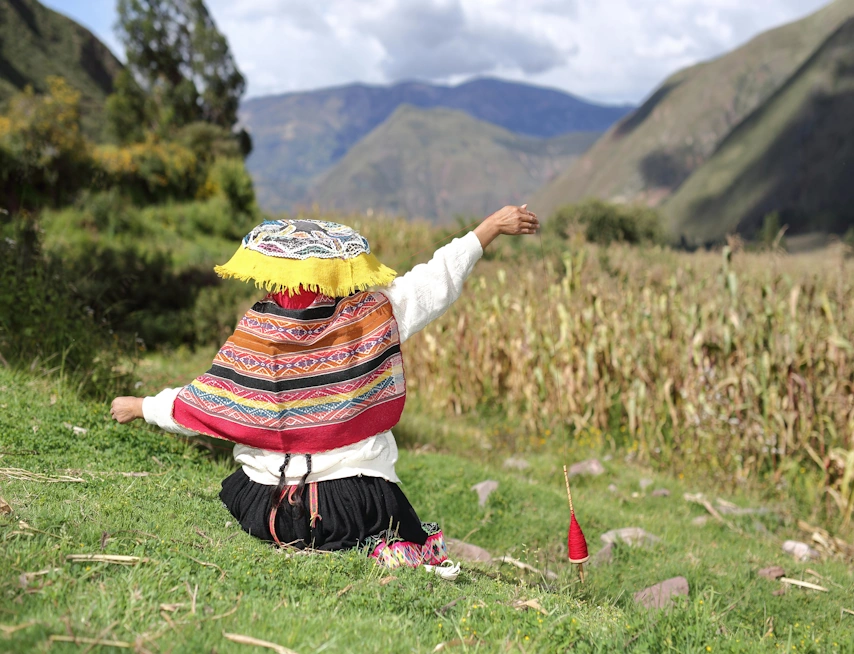
    A person dressed in traditional Andean attire—multicolored woven poncho, yellow fringed hat, and white sweater—kneels on lush green grass in a field, arms outstretched in a joyful gesture. A spinning top rests nearby, with golden crops and majestic mountains in the background under a partly cloudy sky.
    tradition lives in every thread and turn | Belcheri Travel

    Culture & Cuisine in Peru

    Traveling to Peru is also a feast for the senses:

    • Savor a chef’s tasting menu in Lima.
    • Sip a pisco sour at sunset in Cusco.
    • Share a private farm-to-table lunch with Andean families in the Sacred Valley.

    For cultural immersion, travelers can enjoy a weaving demonstration in a mountain village, a guided walk through traditional markets, or a private twilight tour of Cusco’s hidden corners. These experiences turn a simple visit into a truly meaningful journey.

    Your First Trip to Peru, Designed for You

    Your first trip to Peru shouldn’t be about rushing from one site to another. It’s about creating a journey that allows you to experience the country’s treasures with ease, exclusivity, and depth.
    At Belcheri Travel, we specialize in tailor-made Peru itineraries for travelers who value comfort, authenticity and unforgettable moments. Whether you’re planning a luxury family vacation to Peru, a romantic getaway to Machu Picchu, or a cultural trip with friends, we make every detail seamless and extraordinary.
    Thinking about your first trip to Peru? Our travel designers can create a tailor-made itinerary that fits your style and pace ¡Contact us to learn more!

    Elegant train carriage interior with plush gray sofas adorned with yellow-fringed and navy pillows, ornate wall lamps with navy shades, intricate gold-trimmed arches, and large arched windows revealing passing scenery. A grand piano sits at the far end under warm lighting.
    Journey in timeless luxury | Belcheri Travel
  • Altitude in Cusco

    Altitude in Cusco

    How to Prevent Altitude Sickness and Travel Peru Comfortably

    Imagine arriving in Cusco, walking through its Inca walls and cobblestone streets, and suddenly feeling short of breath. Don’t worry!, this is a normal effect of altitude in Peru, and with the right preparation you can enjoy every moment. In this guide, we’ll explain what altitude sickness (soroche) is, how it affects travelers in Cusco and Machu Picchu, and share practical tips to stay healthy while exploring the Andes.

    Night photograph of the city of Cusco, Peru. In the foreground, the Basilica Cathedral of the Virgin of the Assumption and the Company of Jesus in the Plaza de Armas, lit with warm light. Surrounding it, colonial buildings and cobblestone streets. In the background, Andean hills and mountains under a cloudy sky
    Night view of Cusco’s Plaza de Armas

    Peru: A Country of Contrasts

    Peru is a country full of contrasts, not only in culture and landscapes but also in elevation. You can go from sea level in Lima to 3,400 meters (11,150 feet) in Cusco, and even higher at Lake Titicaca (3,800 m / 12,500 ft) within just a few days.
    Among all these destinations, Cusco is where most travelers first feel the effects of high altitude. Knowing how to prepare and how your body reacts can transform your trip from challenging to truly enjoyable.

    The Science Behind Altitude Sickness

    At sea level, the air contains 21% oxygen, and higher atmospheric pressure helps your body absorb it easily.
    In Cusco, the oxygen percentage remains the same, but the air pressure is lower. That means each breath provides fewer oxygen molecules, which can cause altitude sickness—locally known as soroche.
    At 3,400 meters / 11,150 feet, travelers may experience symptoms such as:

    • Headache
    • Shortness of breath
    • Fatigue ir weakness
    • Dizziness or lightheadedness
    • Nausea or loss of appetite

    The good news is that most travelers adapt within 24 – 48 hours. And remember: altitude sickness can affect anyone regardless of age, fitness level, or hiking experience.

    Tips to Prevent and Manage Altitude Sickness in Cusco

    At Belcheri Travel, we design itineraries that consider every detail of your comfort, including altitude. Here are our best recommendations:

    Before Your Trip

    • Plan smartly: Spend your first night in the Sacred Valley (2,800 m / 9,150 ft) instead of Cusco. The lower altitude makes acclimatization easier.
    • Consult your doctor: Some travelers take prescribed medication like acetazolamide (Diamox) for prevention.

    Upon Arrival in Cusco

    • Take it slow: Rest during your first day and avoid strenuous activities.
    • Stay hydrated: Drink plenty of water and limit alcohol or heavy meals.
    • Try local remedies: Traditional muña tea is a natural Andean remedy that helps with digestion and breathing.
    • Eat light: Soups, fruits, and vegetables are easier for your body to process at altitude.

    If You Feel Unwell

    • Rest and give your body time.
    • Supplemental oxygen is available at many hotels and clinics.
    • If symptoms are severe (chest pain, extreme shortness of breath, or confusion), seek medical attention immediately.


    A person in black activewear pours golden herbal tea from a clear glass teapot into a matching glass mug on a black tray. The tray sits on a small round table near a window with a blurred outdoor view. The scene evokes a calm, mindful moment of relaxation.
    Savoring serenity 

    Why Start Your Journey in the Sacred Valley?

    Many of our travelers including families, honeymooners, and adventure seekers choose to begin in the Sacred Valley of the Incas. Here’s why:

    • Lower altitude makes adjustment easier.
    • Boutique hotels surrounded by breathtaking scenery.
    • A calmer atmosphere to recover from international flights.
    • An ideal base for visiting Machu Picchu and traditional Andean villages.

    By starting in the Sacred Valley, your body adapts gradually, making your entire trip through the Andes more enjoyable.

    A cyclist rides along a dirt path through the Sacred Valley of the Incas, surrounded by lush green and golden fields beneath towering Andean mountains under a clear blue sky.
    Valle Sagrado | Belcheri Travel

    Should Altitude Stop You From Visiting Cusco?

    Absolutely not. Cusco is one of the most fascinating cities in the world, with vibrant culture, Inca history, and stunning landscapes. Altitude is just part of the experience and with good preparation, it won’t prevent you from enjoying every moment.
    At Belcheri Travel, we create personalized itineraries that help you explore Cusco, Machu Picchu, and the Andes without stress. From your arrival in Lima to your journey through the Sacred Valley and Lake Titicaca, we ensure every step of your adventure is safe, comfortable, and unforgettable.

    FAQs: Altitude in Cusco and Machu Picchu

    • Is altitude sickness common in Cusco?

    Yes. Cusco sits at 3,400 m (11,150 ft), and many travelers feel mild symptoms when they first arrive.

    • Is Machu Picchu higher than Cusco?

    No. Machu Picchu is actually lower (2,430 m / 7,970 ft), which is why many travelers feel better once they reach the citadel.

    • How many days should I stay in Cusco before visiting Machu Picchu?

    Ideally 2–3 nights. Starting in the Sacred Valley can make acclimatization easier.

    • What natural remedies help with altitude?

    Coca tea, muña tea, hydration, and eating light meals are the most traditional and effective methods.

    • Ready to plan your Peru trip?

    Contact us today and let us design a tailor-made itinerary that helps you discover Cusco without worries about altitude.

  • Peru Luxury Tours

    Peru Luxury Tours

    Discover Machu Picchu, Lima, Sacred Valley & the Amazon Rainforest

    Lima: Your Gateway to Peru’s Gastronomy and History

    Ready to start your dream trip to Peru? It all begins in Lima, the “City of Kings,” a vibrant capital and global culinary hotspot. With us, you can enjoy:

    • Exclusive Culinary Tours in Lima: From hands-on ceviche-making classes to exclusive reservations at award-winning restaurants such as Central, Maido, or Astrid y Gastón. Perfect for food lovers exploring Peruvian gastronomy.
    • Historic City Tours: Explore Lima’s UNESCO World Heritage Historic Center, including the Plaza de Armas, San Francisco Monastery with its catacombs, and the elegant Miraflores district.
    • Barranco Arts District: Discover Lima’s bohemian side with colorful murals, art galleries, and vibrant nightlife in the iconic Barranco neighborhood.


    Acantilados verdes de Miraflores con vista al océano Pacífico y la Costa Verde de Lima, Perú, bajo una ligera neblina costera
    Miraflores cliffs and Costa Verde, Lima’s iconic view 

    Sacred Valley & Machu Picchu: Inca History and Breathtaking Landscapes

    From Lima, continue your trip to Peru into the heart of the Inca Empire. We specialize in crafting luxury and adventure experiences, including:

    • Luxury Train Rides to Machu Picchu: Travel aboard the iconic Hiram Bingham train or enjoy panoramic views on the Vistadome train while heading to the world famous Machu Picchu citadel.
    • Inca Trail & Alternative Treks: Hike the legendary Inca Trail to Machu Picchu (4 days/3 nights), or choose breathtaking alternatives such as the Salkantay Trek or Lares Trek.
    • Sacred Valley Tours: Visit vibrant markets, the ancient ruins of Ollantaytambo and Pisac, and experience authentic cultural exchanges with local Andean communities.


    A tourist in a yellow shirt stands on a viewpoint, photographing the stunning Moray Inca agricultural terraces in the Sacred Valley of the Peruvian Andes, with layered green circular ruins surrounded by patchwork fields and snow-capped mountains under a cloudy sky.
    Tourist at Moray’s Inca terraces, Peru

    Amazon Rainforest: Unforgettable Nature & Adventure

    Peru is not only about Machu Picchu, it is also home to the Amazon Rainforest, one of the most biodiverse regions on Earth. We can arrange:

    • Luxury Eco-Lodges: Stay in eco-friendly jungle lodges with expert guides, canopy walks, and wildlife spotting of monkeys, exotic birds, and pink dolphins.
    • Amazon River Cruises: Sail the mighty Amazon River on a luxury cruise and explore remote areas of the rainforest for a once-in-a-lifetime adventure.

    Beyond the Classics: Tailor-Made Luxury Travel in Peru

    Dreaming of something truly unique? We specialize in customized Peru tours, carefully designed to reflect your interests and passions. Our tailor-made experiences go beyond the classics and can include:
    • Private cultural immersions such as hands-on weaving workshops in the Andes, connecting you with centuries-old traditions.
    • Exclusive birdwatching tours in the Amazon Rainforest, guided by expert naturalists to spot rare and colorful species.
    • Spiritual retreats in the Sacred Valley or high in the Andes, offering the perfect setting for reflection, connection, and renewal.
    • Adventure travel in Peru, from mountain biking through breathtaking valleys to rock climbing and kayaking in pristine landscapes.

    Golden sunset in the Peruvian Amazon: the sun dips behind tree silhouettes, casting its light across calm river waters as a canoe glides toward the horizon
    Sunset canoe ride on the Amazon River, Peru 

    Start Planning Your Dream Trip to Peru

    Skip the hassle and let us design your personalized Peru travel package. Whether you want a luxury journey to Machu Picchu, a cultural experience in Lima or an Amazon rainforest adventure, we make it seamless from start to finish.
    Contact us today for a complimentary consultation and let’s create the tailor-made Peruvian adventure you’ve always dreamed of.

  • Direct Flights from Salt Lake City to Lima

    Direct Flights from Salt Lake City to Lima

    Direct Flights from Salt Lake City to Lima — Your Gateway to Peru

    Your journey to Peru just became easier than ever. Starting December 4, 2025, Delta Air Lines will launch the first-ever nonstop flights from Salt Lake City (SLC) to Lima, Peru (LIM), running through January 25, 2026.
    For travelers from Utah and the Mountain West, this is more than just a new flight, it’s a seamless connection to one of South America’s most extraordinary destinations. From the vibrant flavors of Lima to the ancient citadel of Machu Picchu, Peru is now closer, easier and more inspiring to explore.

    Flight over the desert

    Why Nonstop Flights to Peru Matter

    Say goodbye to long layovers and complicated connections. With direct flights from Salt Lake City to Peru, traveling has never been easier. Imagine:

    • Saving precious time:

    Arrive in Lima refreshed, ready to begin your adventure the moment you land.

    • Unrivaled comfort:

    Enjoy Delta’s wide-body Boeing 767-300ER with premium options like Delta One lie-flat seats and Delta Premium Select.

    • Effortless connections:

    From Lima, it’s easier than ever to reach Machu Picchu, Cusco, the Andes, or the Amazon Rainforest.
    This new route also strengthens Delta’s partnership with LATAM Airlines, offering seamless onward travel to South American gems such as São Paulo, Buenos Aires, and Santiago de Chile.

    Delta Studio Business Class Cabin

    Discover Peru: Andes, Amazon & Cusco Await

    Peru is one of the most diverse and exciting destinations in South America. From the ancient Inca citadel of Machu Picchu to the vibrant energy of Lima’s gastronomy, every traveler will find something unforgettable.
    • Explore the Andes Mountains and walk in the footsteps of the Incas.
    • Cruise through the mysterious Amazon River and rainforest.
    • Discover the historical heart of Cusco and the Sacred Valley.
    • Visit the serene beauty of Lake Titicaca, the highest navigable lake in the world

    Beyond the Flight: Tailor-Made Peru Travel Packages

    At Belcheri Travel, we specialize in custom Peru tours and vacation packages. Whether you’re dreaming of cultural immersion, luxury escapes, family adventures or outdoor exploration, we design itineraries that go far beyond the ordinary.
    The new nonstop Salt Lake City to Lima flights are the perfect springboard to bring your Peruvian adventure to life. From Utah to Peru, your dream trip is now just one flight away.

    Traditional Andean Dance in the Peruvian Andes

    Plan Your Peru Vacation Today

    From Utah to Peru, your adventure has never been more within reach. Whether you dream of hiking through the Andes, cruising the Amazon, or discovering the magic of Cusco and the Sacred Valley, this new nonstop flight makes it all possible. With a smoother journey and easier access to every major destination, planning your perfect Peru experience becomes even more enjoyable and flexible for all types of travelers.
    Peru is waiting for you, let this be the moment you turn your dream trip into reality and fully embrace everything this extraordinary destination has to offer.

  • The Toritos of Pukara

    The Toritos of Pukara

    Treasure of Andean Craftwork.

    When we think of Peru as a destination, the mythic Machupicchu Citadel, the famous Nazca Lines or the wide variety of gastronomy offered by the capital, Lima, usually come to mind. Nevertheless, there are other equally fascinating cultural wonders such as the Toritos of Pukara.

    The Toritos of Pukara are a very representative cultural and artistic manifestation of the department of Puno, located in southern Peru. These small bull-shaped ceramic pieces with striking shades have a great significance and history within the Andean culture.

    It is a must for any traveler who wants to learn more about typical Peruvian art. Here are some reasons why you should consider including it in your travel experience in southern Peru.

    1.     It is an ancestral tradition

    The inhabitants of the region are heirs of an ancient civilization rich in pottery that began more than 3,000 years ago, not only in the town of Pukara, but spread throughout the northern basin of Lake Titicaca. In pre-Hispanic times, they made llama-shaped statuettes (conopas or illas) for ritual purposes to favor the fertility of animals, especially herds of llamas and alpacas.

    During the Spanish invasion, the use of these small pieces was prohibited by the extirpators of idolatries. Therefore, it was replaced by the bull, an animal introduced to America, producing amazement in the Andean man for the strong image it represents. Over time, the bull became an obligatory ritual element in the agricultural activities of the peasants and in the branding of livestock that took place during the feast of the Holy Trinity in May. Therefore, in the Andean cosmovision the bull is a sacred animal related to the procreation of livestock, fertility and happiness of marriages, it is also considered as the guardian of homes, that is why they are placed on the roofs of the houses.

    2.     It is an expression of art and creativity

    The Toritos of Pukara are pieces of art, crafted with great skill by local artisans. Entire families are dedicated to the production of ceramics, they learn this skill since childhood and they improve it over the years. They believe that if someone is grumpy during the production of the torito, they should not continue working, because if they do, the pottery will be ruined. Each torito is unique, they are rough looking, imperfect, with the presence of flowers, with geometric details, ellipses, bright colors that make them attractive to the eye, and with a unique meaning. There is a hole in the back that represents fertilization; the handle represents the union of a man and a woman linked to marriage; the eyes represent the actions of the human being in relation to the world that surrounds us and introspection; the spirals emphasize that all that is given comes back to us.

    The symbolic figure of the bull is the greatest artistic expression of a process of miscegenation, the result of the fusion of two cultures: Andean and Hispanic. Visiting the workshops of local artisans is a unique experience that will allow you to appreciate their art and creativity.

    3.      It is a picturesque village

    Pukara is a charming and picturesque village that gives you the opportunity to learn about the culture and tradition of the Andean people of Peru. In addition to the bulls, the town of Pukara offers other interesting tourist attractions, such as the Santa Isabel temple of mestizo baroque style, built in the eighteenth century by Jesuit missionaries. The main square is a pleasant place to relax and interact with the local inhabitants. And do not forget to visit the Pukara Lithic Museum, which exhibits an impressive collection of monoliths, stone sculptures and ceramics of various sizes and shapes that belonged to the Pukara culture.

    4.     Sustainable tourism is practiced

    Visiting Pukara is an opportunity to support sustainable tourism in Peru. When you buy the Pukara Toritos, you will be helping local artisans to keep this tradition alive, as well as preserving the culture and history of the area; at the same time, you will be supporting the local economy.

    In summary, the Toritos de Pukara are a true cultural jewel of Peru’s most representative mestizo folk art. They are not only a sample of the art and skill of local artisans, but also a symbol of Andean culture and tradition. In addition, through the practice of sustainable tourism you will contribute to the economic sustenance of local artisans. If you are planning a trip to Peru, do not hesitate to include a stop at Pukara in your itinerary. You will not regret learning the secrets of the Toritos de Pukara and experiencing the hospitality of its people.

  • Machu Picchu, by Train or Walking?

    Machu Picchu, by Train or Walking?

    Machu Picchu, one of the 7 Wonders of the Modern World, has great Inca cultural and architectural wealth, endless cultural and natural titles due to its ecosystem and is located on top of a mountain; an architectural challenge that the Incas managed to conquer.

    Machu Picchu is a stone city, built by the Incas around the 15th century and located at 2,360 meters above sea level. The Inca city is surrounded by temples, platforms and water channels, built on top of a mountain and its construction was built with large blocks of stone joined together, without the use of amalgam. It is located 130 km from the city of Cusco and since the explorer Hiram Bingham made it known to the world in 1911, it has received many titles and recognitions.

    Machu Picchu is considered at the same time a masterpiece of architecture and engineering, its peculiar architectural and landscape characteristics, and the veil of mystery that has been woven around much of the literature published on the site, have made it one of of the most popular tourist destinations on the planet.

    This Wonder of the Modern World has been on the Unesco World Heritage List since 1983, as part of a whole cultural and ecological complex known under the name “Historical Sanctuary of Machu Picchu”. On July 7, 2007, Machu Picchu was declared “one of the new seven wonders of the modern world” in a ceremony held in Lisbon (Portugal), which was attended by one hundred million voters around the world. And it was chosen as “The main tourist attraction in the world 2017”

    Due to all of the aforementioned and more, the Inca citadel is visited daily by too many national and foreign tourists, but once it is decided that we will do the tour to Machu Picchu, the question arises: How to visit the citadel of Machu Picchu? or in what?

    We already know that there are many routes to visit the citadel of Machu Picchu, within them we solve the only two options: walking or by train.

    WALKING:

    The routes that we can do walking are the different walks that the different tour operators offer us and also that we could do on our own; Without a doubt, an adventure that will allow us to connect in a better way with nature as well as being cheaper, here are the routes that we can do on foot:

    MAKE THE INCA TRAIL TOUR:

    This is the most famous trekking to Machu Picchu, respected and admired by hikers because it manages to combine various climates, impressive and unforgettable landscapes of the Vilcabamba Mountain Range accompanied by centuries-old and ancestral ruins. The fact of walking this ancient path will make you take one of the most impressive experiences in your life. Due to its beauty, this walk is preferred by travelers, having to be requested 5 to 6 months in advance (a permit is required that has limited spaces per day).

    The Inca Trail tour covers 42 kilometers of jungle and mountains, reaching a maximum height of 4,200 meters above sea level and visiting some archaeological complexes such as Patallacta, the Wiñay Wayna ruins and, of course, the Wonder of the World, Machu Picchu.

    BY TRAIN:

    The fastest, most efficient and safest way to travel from the city of Cusco to Machu Picchu is by train and to get a train ticket the most important thing is to book the ticket weeks in advance. For this you must enter the official website of Peru Rail or Inca Rail, after completing your personal information you can make the payment online.

    There are 112 kilometers of distance between the city of Cusco and the station of Puente Ruinas or Machu Picchu town, by railway and these are the train stations:

    OUTWAY STATIONS:

    • Poroy (20 minutes from Cusco)
    • Ollantaytambo (2 hours from Cusco)
    • Urubamba (1 hour and a half from Cusco)

    RETURN STATION:

    Aguas Calientes or Machu Picchu Pueblo (it is the only return station)

    Machu Picchu town that is also known as the town of Aguas Calientes, it is the town located at the foot of the Historic Sanctuary, it is the last point of arrival of the train, before going up to the entrance gate of the Inca Citadel.

    We can learn in a better way and read more about the subject in: how to buy the train ticket to get to Machu Picchu?

    There is no excuse for not doing the tour to Machu Picchu, visiting this wonderful Inca citadel in any of the 02 ways (walking or by train) is undoubtedly one of the best travel decisions we will make, some people believe that it is necessary to save a lot money to get to this Wonder of the World, but we realize that there are several ways to get to know this place while reducing expenses.

    It is obvious that a great wonder like Machu Picchu, due to its ancestry, has these access routes and that these are fascinating and attractive, we can be pleased that when we do any tour to Machu Picchu our satisfaction will be immeasurable.

    To carry out the tour to Machu Picchu, contact Saga Machupicchu, a company that cares about providing the best services to its passengers and makes their stay and visit to different archaeological centers throughout the national territory the most pleasant, safe and comfortable as possible.

Belcheri Travel