
Peruvian Beer: The Real Story Behind the Bottles Everyone Knows
Peruvian Beer: The Real Story Behind the Bottles Everyone Knows
Look, if you’ve ever sat at a cevichera on the coast or a picantería in the Andes and watched someone pour a few drops on the ground before the first sip, you already understand Peruvian beer. It’s not really about the liquid in the glass. It’s about the moment, the people, the place.
The whole thing starts way before anyone ever heard of hops or barley.
We already had chicha. Corn, chewed (or not anymore), fermented, shared. Sweet, low-alcohol, sacred in many ways. So when Europeans showed up in the 1800s with their fancy pilsners and lagers, it wasn’t like they brought something completely foreign. They brought a new way to do something we were already doing: fermenting stuff and drinking it together.
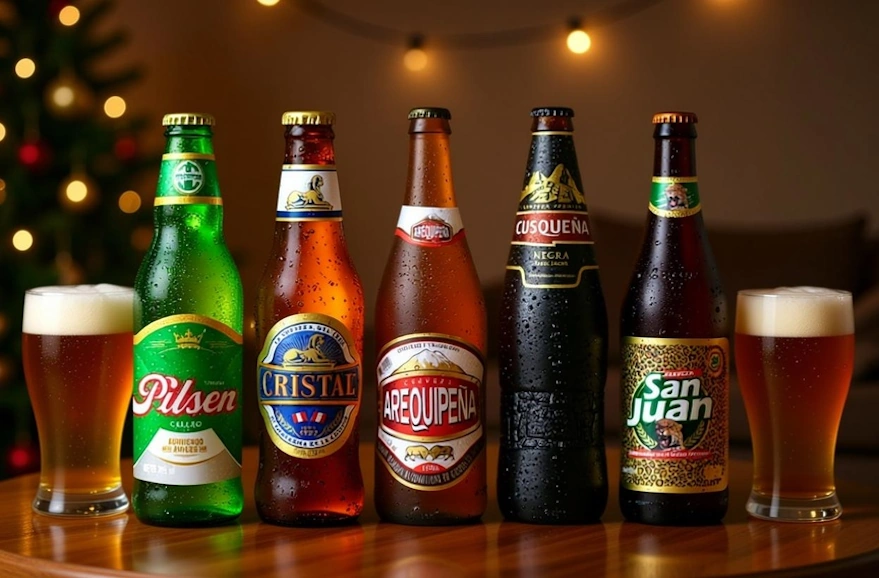
The Big Names and What They Actually Mean to People
-
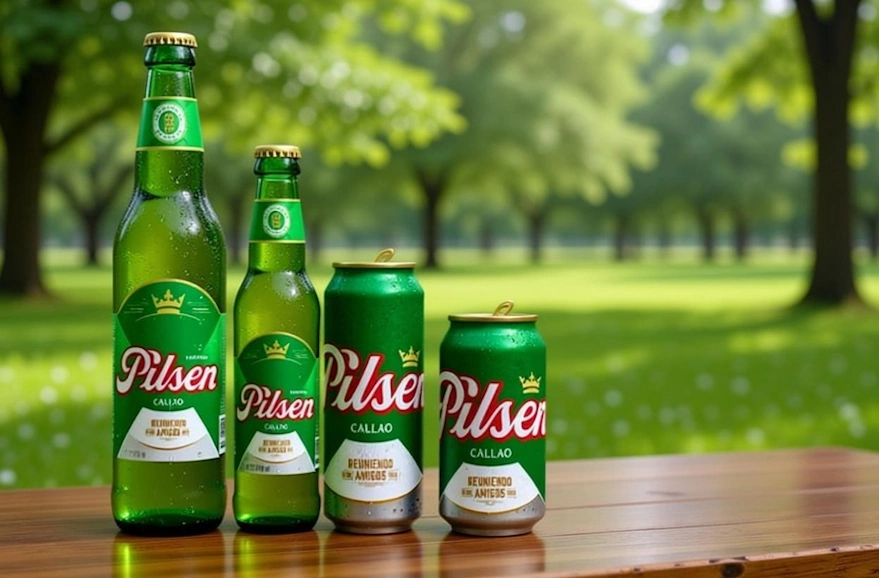
Pilsen Callao
Born 1863 in the port. Oldest one by far. Germans started it, Italians took it over, then Backus swallowed it. Still feels like the beer your tío drinks when he wants to remember the old neighborhood. People call it “la de siempre” – the one that’s always been there. It’s the beer you share in a big bottle at the corner store with your friends after work. Working-class, loyal, no pretensions.
-
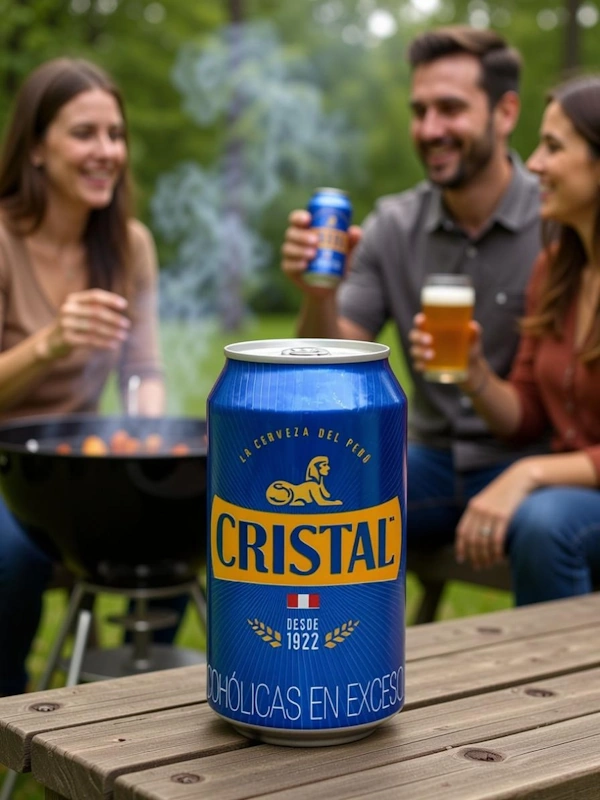
Cristal
1922. The blonde. La cerveza más peruana, they say. You see the logo everywhere: on jerseys, on flags at soccer games, on the shirts of guys selling peanuts on the street. It’s the one that wins when you’re not even trying to choose. Young people drink it, old people drink it, everyone drinks it. It’s the default. When someone says “¿una fría?” in Lima, nine times out of ten it’s Cristal.
-
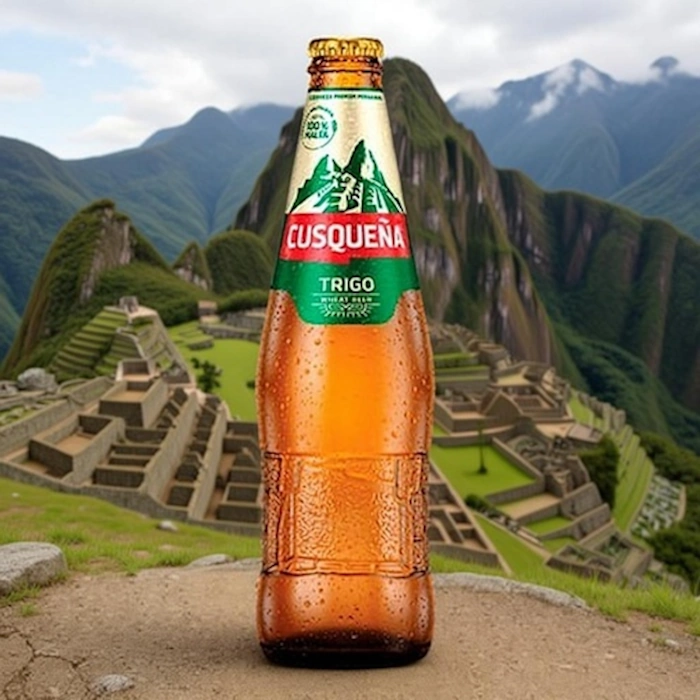
Cusqueña
Started in 1909 in Cusco. Germans again. They wanted to make something that felt Andean but still clean and crisp like the European stuff. Nowadays it’s the “fancy” one without being too fancy. People in Lima order it when they want to look like they know something. In the south it’s just normal beer, but with pride. The quinoa one? That’s when they’re really trying to flex the Inca card.
-
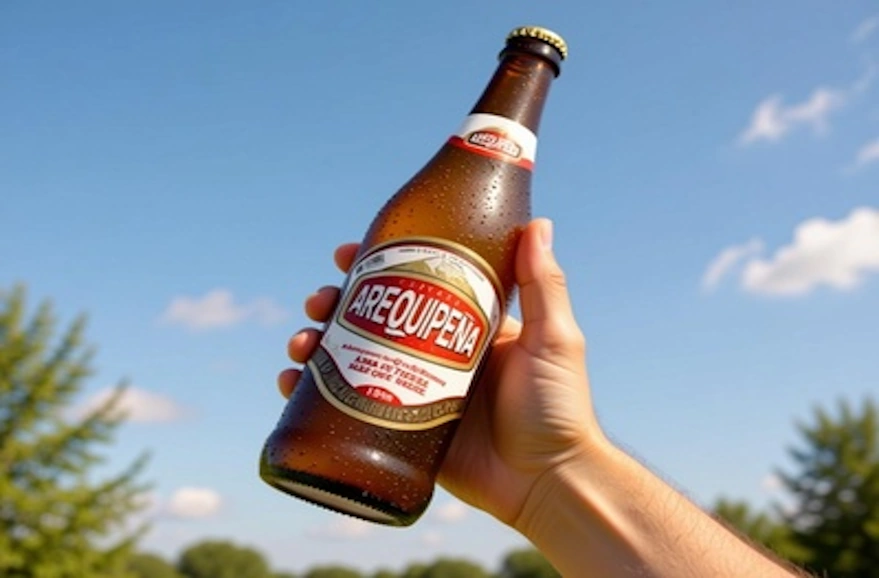
Arequipeña
If you’re from Arequipa and someone offers you Cristal, you might politely drink it… but inside you’re thinking “this isn’t right.” Arequipeña is the one that tastes like home. Malty, balanced, proud. People from the White City will literally argue that it’s better than the others just because it’s theirs.
-
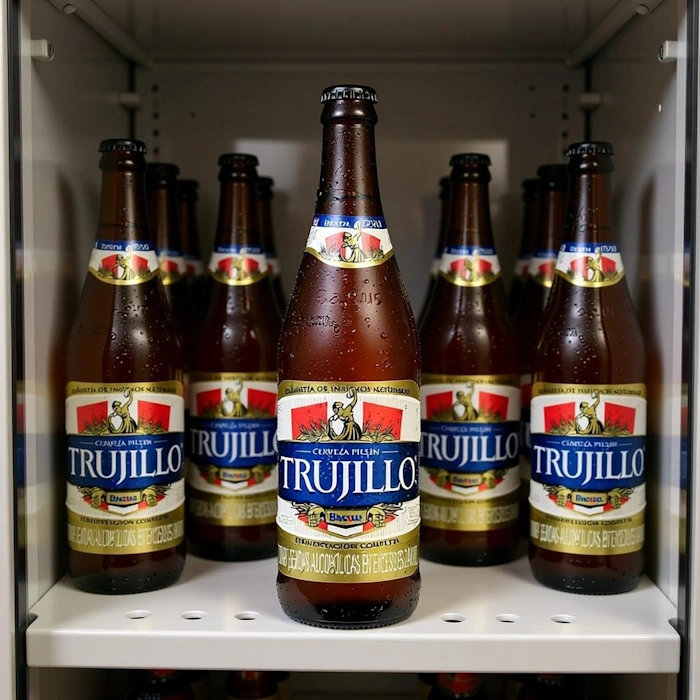
Pilsen Trujillo
Northern version of the same story. La Libertad, Piura, Lambayeque – that’s its kingdom. Same crisp pilsner style, same big bottle tradition, just with a different accent.
-
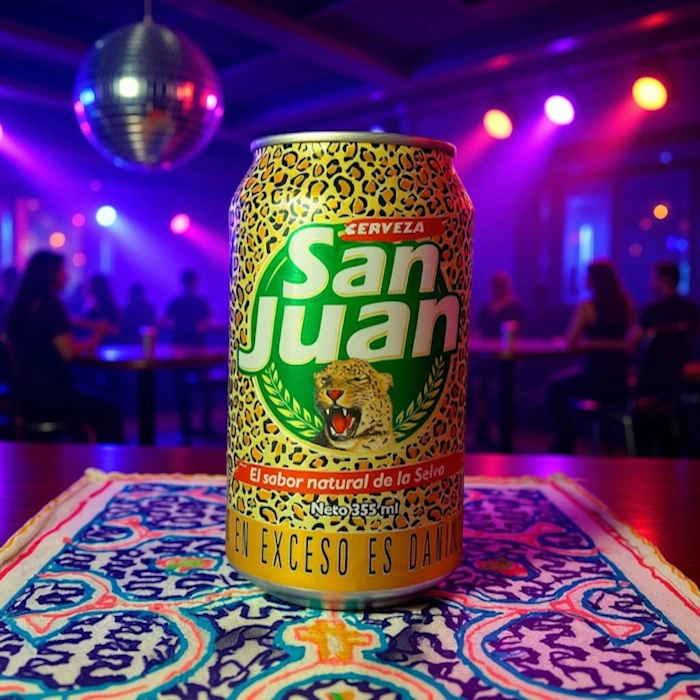
San Juan
The jungle beer. Pucallpa, Iquitos, all that humid, green part of the country. They drink it ice-cold because that’s the only way it makes sense at 35 °C and 90% humidity. It’s the beer you drink when you’re celebrating something with half the neighborhood.
The Real Picture in 2025
Backus owns almost everything. Like 95% of the market. They bought up all the regional breweries one by one so no foreign company could come in and take control. Smart move, honestly. That’s why even though each beer has its own story, they all end up under the same roof.
But something’s moving underneath. Craft beer is growing. Slowly. Painfully. Taxes are high, ingredients are expensive, distribution is a nightmare… but people are starting to care. Sierra Andina, Barbarian, Valle Sagrado, Perroquetón, Candelaria – those names are getting louder every year. Some use maca, some use purple corn, some throw in cacao or coffee from Chanchamayo. They’re not trying to kill Cristal. They’re trying to show there’s more than one way to be Peruvian beer.
How We Actually Drink It
Big bottle. One glass. Pass it around. Pour a little, drink, flick the foam to the ground for Pachamama, pass the bottle the other way. Whoever finishes it buys the next round. That’s the rule. It’s been like that forever.
Cold, but not frozen. In a glass if possible. With food always. Ceviche = light lager. Anticuchos = something fuller. Chicharrones = whatever’s in front of you.
And yes, we still spill a little on the earth before the first sip. Some people do it because they were taught to, others because it feels right. Either way, it’s part of the ritual.
Bottom Line
Peruvian beer isn’t about being the best in the world. It’s about being ours. It carries history, regional fights, family memories, soccer victories, heartbreaks, birthdays, and those random Tuesday nights that turned into something unforgettable.
So next time you open a Cristal, a Cusqueña, a Pilsen Callao, whatever – remember: you’re not just drinking beer. You’re joining a conversation that’s been going on for more than 150 years.
Salud, y que nunca falte una fría.
Peruvian Beer: What You Actually Want to Know
So, you’re asking about beer here in Peru. Let’s get into it — none of that overly neat FAQ stuff, just straight talk.
First up: chicha vs. beer.
Look, chicha is the OG. It’s corn, it’s fermented in big clay pots, it’s what people drank way before lager showed up. It’s usually sweeter, a bit sour sometimes, and way less alcoholic. Beer here today is mostly barley and hops, but honestly, the coolest brewers are mixing both worlds — tossing in purple corn, using local yeast, that kind of thing.
Surely I can buy Peruvian beer anywhere except in Peru?
Yeah, totally Cusqueña’s everywhere — the States, Europe, all over. Even our craft stuff is slowly popping up abroad. A good chunk of what we brew, especially the premium bottles, gets shipped out. We’ve won awards, people are noticing.
Want to homebrew here?
Go for it. It’s easier now than it was five years ago. You can grab a kit online or in Lima. Same process as anywhere else: boil, hop, ferment. But here’s the fun part — play with our ingredients. Try adding some maca or Amazonian fruits. Just keep everything clean. Seriously.
Is craft beer more expensive?
Yep. Sometimes double the price of a regular lager. You’re paying for small batches, creative recipes, better ingredients. Worth it? If you care about flavor, absolutely.
Cerveza with ceviche?
Don’t overthinking Cold lager. Pilsen, Cristal — los clásicos. Nothing heavy. You want a nice crisp beer that’s not going to compete with the lime and chili. Some fancy places are pairing with sour ales now, but when in doubt, keep it simple.
Non-alcoholic beer?
It’s around. Big brands have ‘em, a few craft places are trying. It’s not such a big thing yet, but it’s growing.
Beer festivals?
Lima Beer Week is the main one — usually February or March, all over the city. Follow local brewers on Instagram; they always post about pop-ups and fests. There are smaller ones in Arequipa, Cusco too, but dates move around.


