
Sweet Secrets of Peruvian Desserts: Food as a love language
Ever wonder what happens when you mix high altitude grains with sugar that sailed across oceans centuries ago? That is peruvian desserts in a nutshell. You bite into something sticky or creamy, and suddenly you are tasting mountains, colonial convents, and street fairs all at once. It is not just sugar rush stuff; it is history you can lick off a spoon.
Stick around a bit. We will wander through the history of peruvian desserts with a proper timeline, talk about why these treats still glue families together, and then linger over typical peruvian desserts favorites, each with a longer story because, honestly, one sentence never does justice to the way picarones drip or lucuma melts. Think of this as your curious friend rambling over coffee, not some textbook.
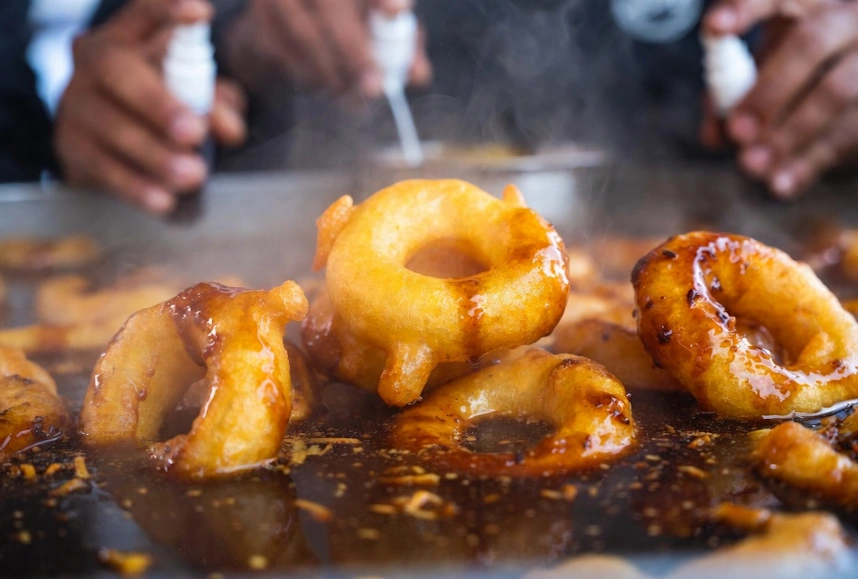
Picarones always a sweet treat
Digging into the History of Peruvian Desserts
Long before anyone in Peru knew what refined sugar looked like, sweetness came from the land itself. People in the Andes chewed on sweet pacae pods or drizzled honey from stingless bees over toasted kiwicha. Maize was the star, turned into thick porridges that doubled as dessert after a long day herding llamas. These were practical sweets, fuel for cold nights, and sometimes offerings tossed into the earth to keep Pachamama happy. Imagine that, you’re after dinner treat also feeding the gods.
Then the Spanish showed up in 1532, crates of cane sugar rattling in their ships. Eggs, milk, and wheat followed. Nuns locked away in Lima convents had time on their hands and started stirring. They took local fruits, added European techniques, and boom, new classics. African cooks brought in by force contributed frying skills and spice blends. By the 1700s, Lima streets smelled of anise and caramel. Cities grew, migrants carried recipes, and what started regional went national. Modern chefs now dig even deeper, reviving forgotten grains like purple corn for Instagram worthy bowls.
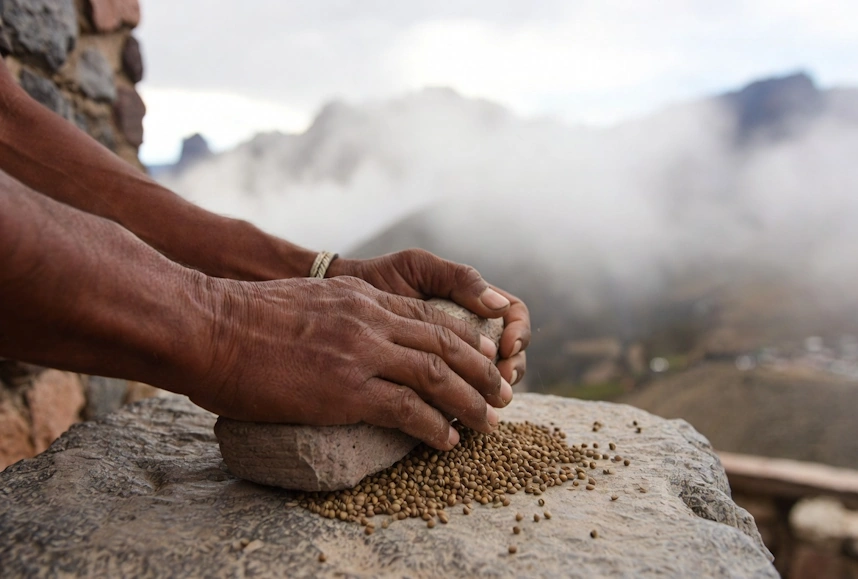
Hands grinding some traditional kiwicha in a stone
Timeline pulled from solid records
Before 1532
Indigenous groups rely on native fruits, maize, and natural sweeteners; early mazamorras appear in coastal and highland diets (Menzel, 1958).
1532 to 1600
Spanish introduce sugar and dairy; first recorded milk-based sweets emerge in urban centers (Cobo, 1653/1890).
1600 to 1800
Convent culture peaks; recipes for suspiros and turrón circulate in manuscripts (Vargas, 1746/1954).
1800 to 1900:
Post independence, European pastry influence grows, but Peruvian cooks adapt with lucuma and chancaca.
1900 onward:
Urbanization spreads regional treats; contemporary revival emphasizes pre Columbian ingredients (Garcilaso de la Vega, 1609/1966; Rostworowski, 1989).
That is the backbone. The history of peruvian desserts is Peru itself, layered, messy, resilient.
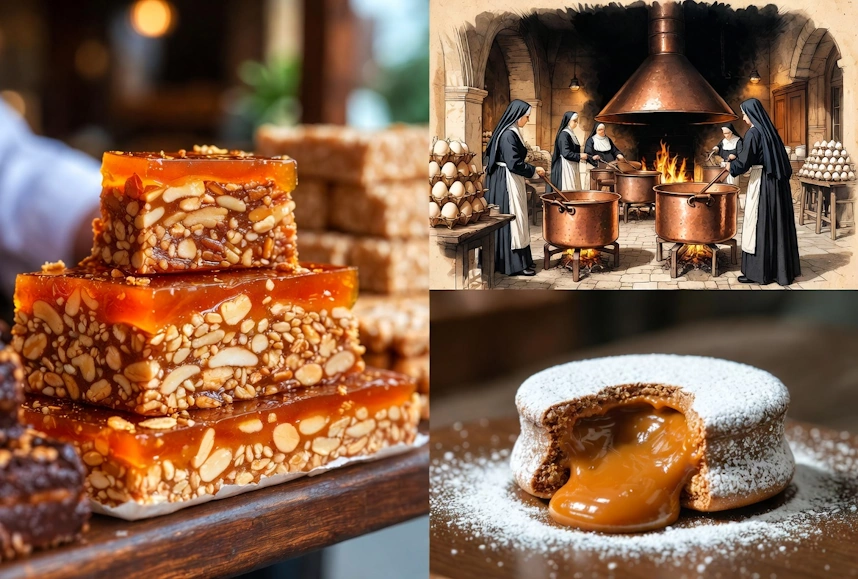
Tradition made with love
The Importance of These Sweets in Everyday Life
You do not just eat peruvian desserts, you live them. A grandmother in Cusco ladles arroz con leche for grandchildren home from school, and the cinnamon steam carries memories. At festivals, picarones vendors flip squash rings while crowds cheer saints overhead. These moments matter. Sweetness marks time, birthdays, funerals, first paychecks. Skip the dessert table at a Peruvian party, and you might as well skip the party.
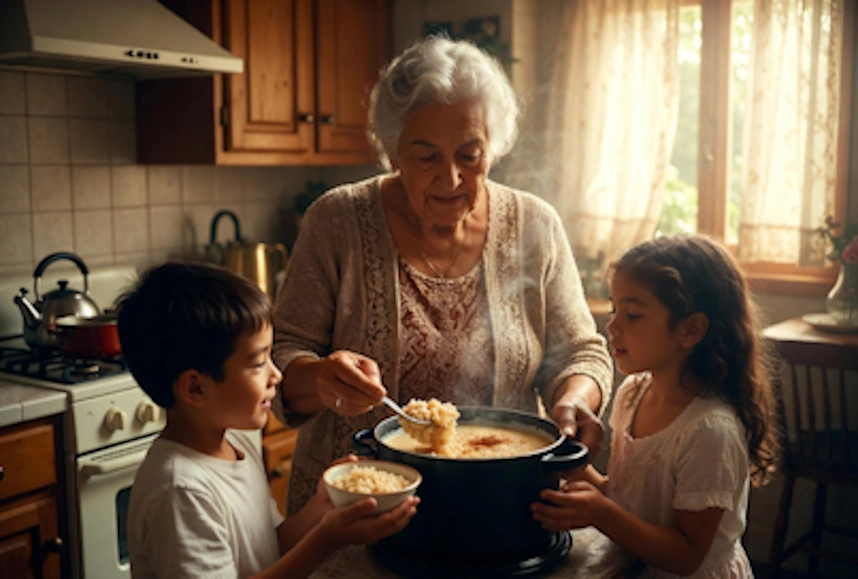
Grandma’s arroz con leche
There is a bigger picture too. Many ingredients grow only in Peru’s crazy diverse pockets, coastal valleys, misty highlands, steamy jungle edges. Lucuma trees, purple corn fields, camu camu vines, they all need protecting. When you scoop lucuma ice cream, you are voting with your spoon for farmers who refuse to swap ancient crops for quicker cash. It is quiet activism, delicious kind. And honestly, in a world of vanilla everything, these flavors scream identity.
Spotlight on Typical Peruvian Desserts 12 Must Tries with Deeper Stories
- Let us get to the good part. Below are typical Peruvian dessert picks, but I stretched the descriptions because rushing through food talk feels wrong. Each has quirks, textures, smells, and the little things that make you close your eyes mid bite. Try picturing them, or better, hunt down ingredients and make a mess in your kitchen.
Suspiro a la Limeña
- Start with manjar blanco cooked so long the milk sugars caramelize into velvet. You pile on meringue whipped with port wine syrup until it stands in soft peaks. The contrast is everything, dense base, airy top, a sigh indeed. Limeños argue over the perfect wine ratio the way Italians debate pasta water.
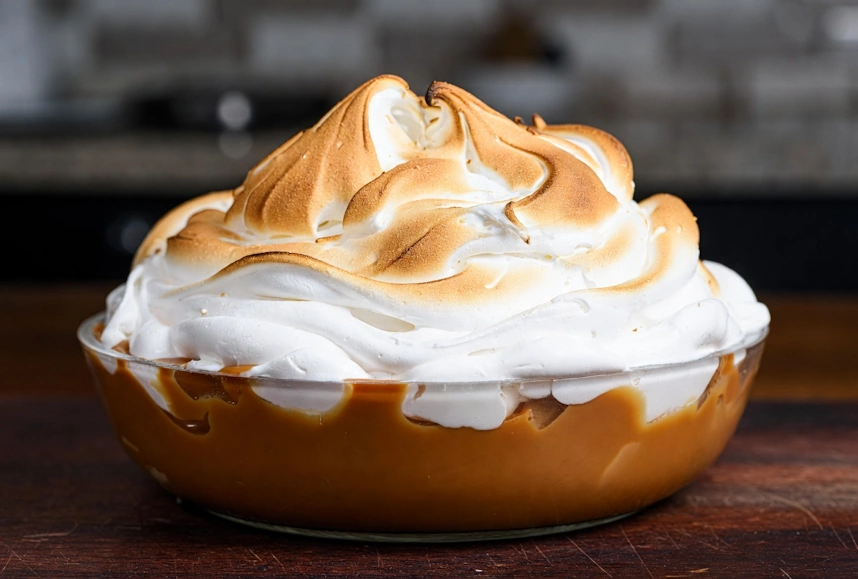
Suspiro a la Limeña
Picarones
- Squash and sweet potato mash ferments slightly, then gets shaped into rings and fried golden. Chancaca syrup, thick with clove, cinnamon, and orange peel, soaks in while hot. Vendors squirt fig leaf essence for that herbal kick. Eat them fresh or regret it; cold picarones are sad.
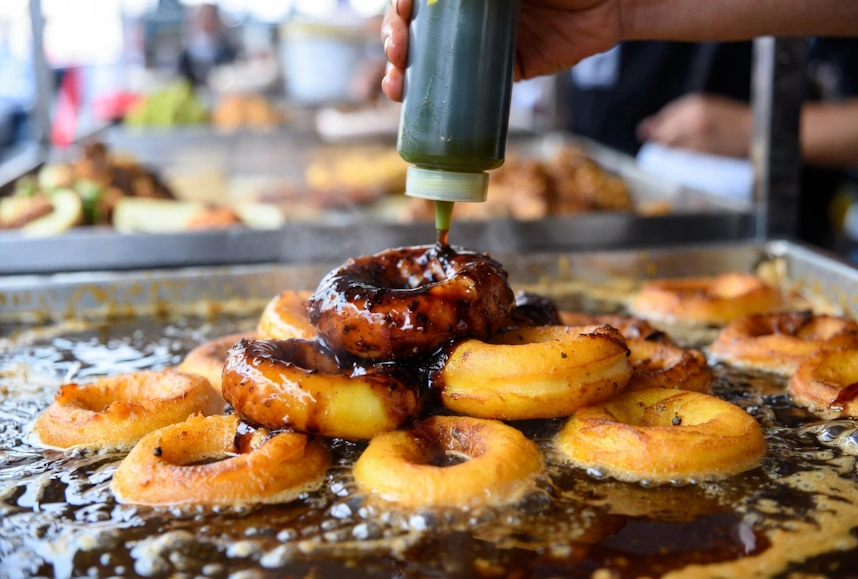
Picarones
Mazamorra Morada
- Purple corn boils with pineapple rinds, quince chunks, cinnamon, cloves until the pot turns inky. Starch thickens it to pudding consistency, then in go prunes, raisins, dried peaches. Dust with ground cinnamon. Pair with arroz con leche and call it clásico, a purple white marriage made in street cart heaven.
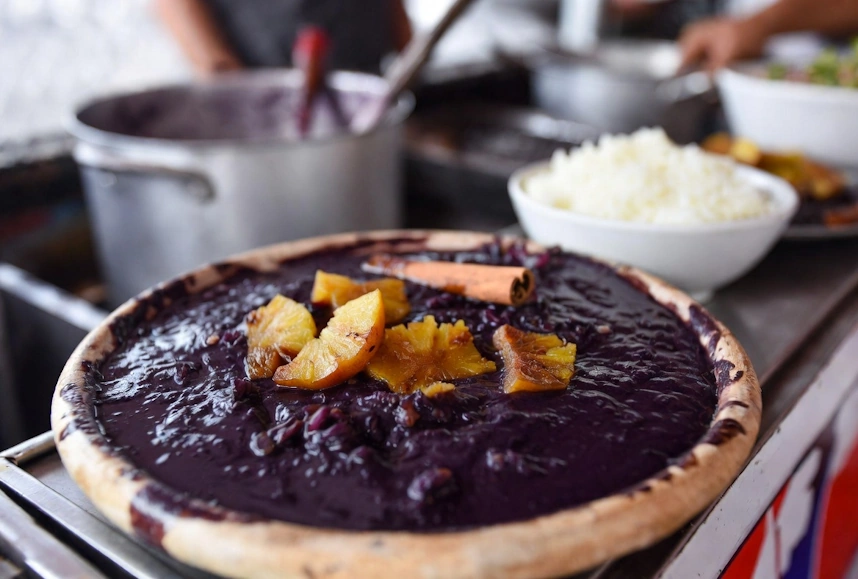
Mazamorra Morada
Arroz con Leche
- Rice swims in milk with a cinnamon stick and lemon peel until grains plump and liquid reduces to cream. Sugar at the end, raisins if you are feeling traditional. Some sneak in condensed milk for extra silk. It is the dessert equivalent of a hug from someone who smells like vanilla.
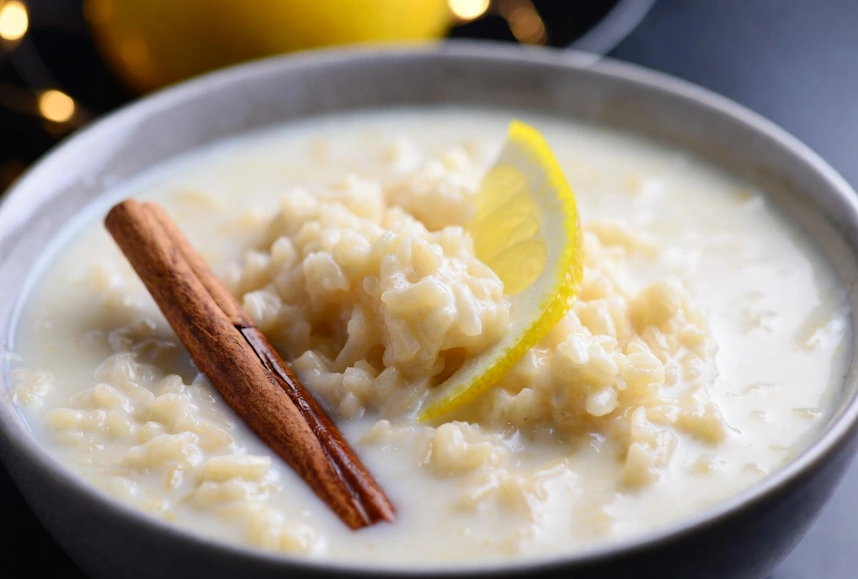
Arroz con Leche
Turrón de Doña Pepa
- Anise dough layers baked crisp, stacked with apples, figs, pecans, drenched in multicolored honey syrup. José de la Rosa, freed in the 1700s, created it as thanks for a miracle. October in Lima means purple banners and turrón towers taller than kids.
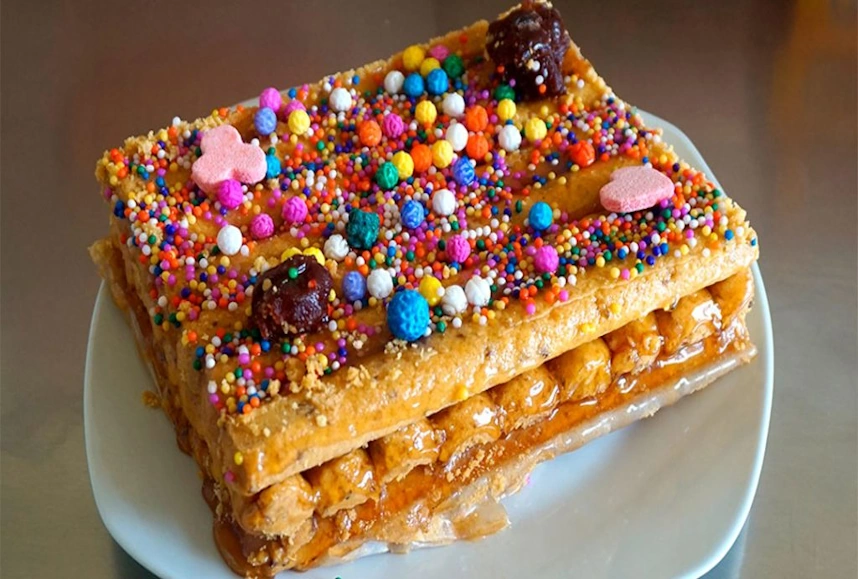
Turrón Doña Pepa
Alfajores
- Buttery shortbread cookies sandwich manjar blanco so generous it oozes at first bite. Powdered sugar snows on top, or sometimes melted chocolate coats the edges. Peruvian ones lean softer than neighbors, almost cake like crumble.
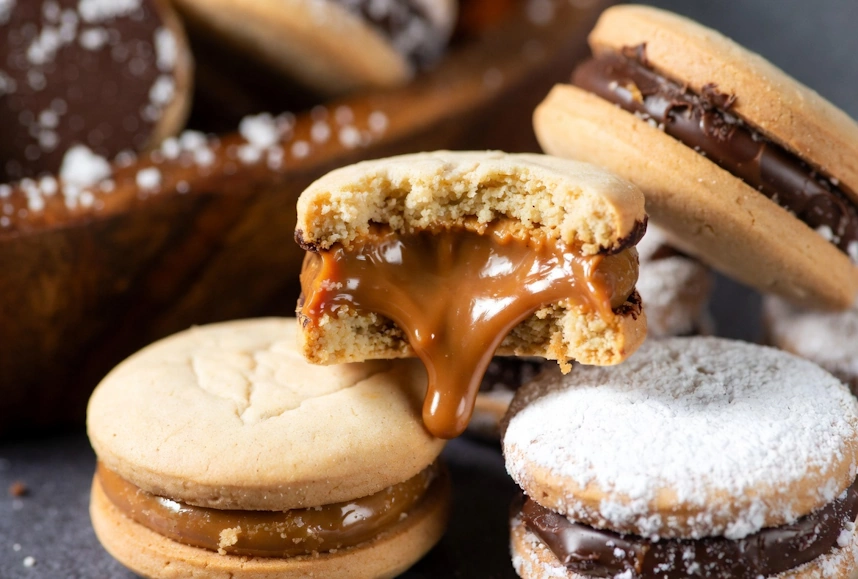
Alfajores
Ranfañote
- Leftover bread, coconut shreds, aged cheese, pecans, all bound in chancaca and baked dense. Salty sweet chaos, born from not wasting a crumb in tough times. The cheese surprises first timers every time.
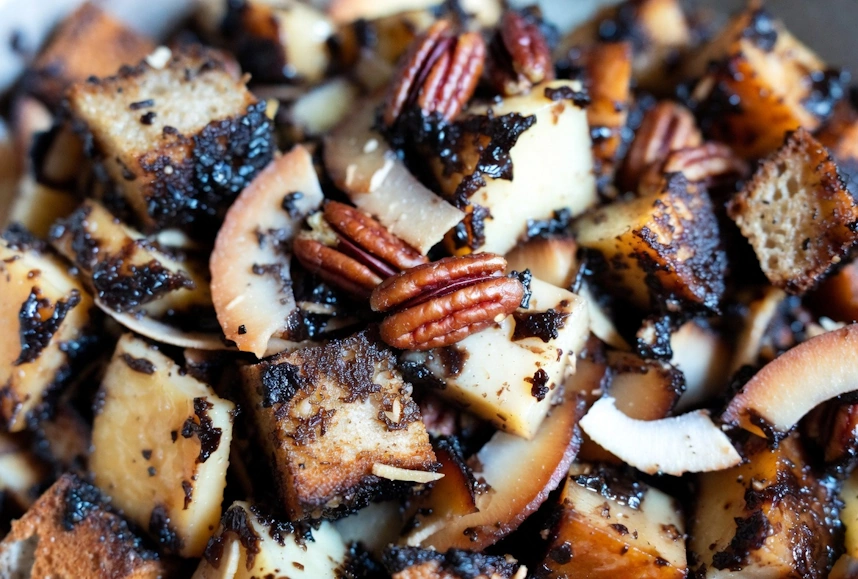
Ranfañote
King Kong
- From the north, massive alfajor slabs alternate manjar with peanut paste or coconut. Wrapped tight, it travels well, perfect for bus rides with sea views. The name? Because it is huge, obviously.
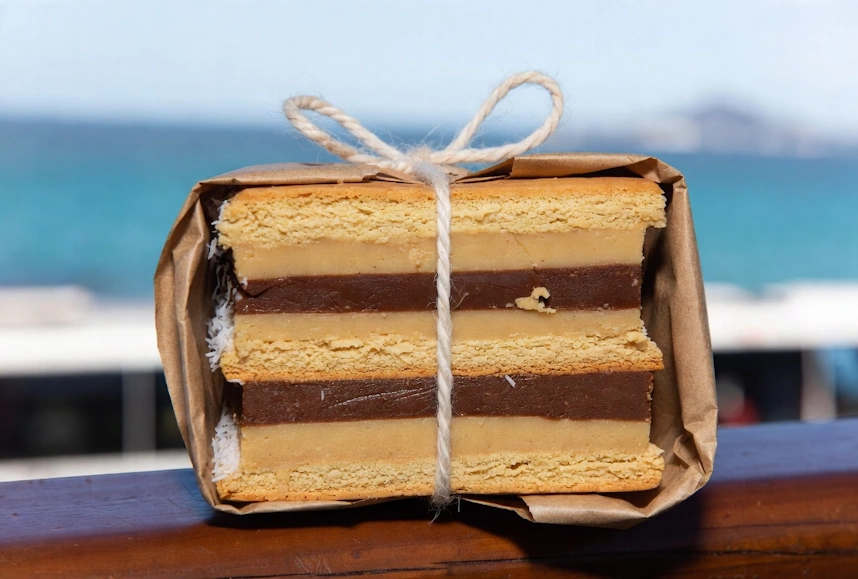
King Kong
Tejas
- Lima convent classic. Lime or anise fondant shells encase manjar coated fruits, pecans, figs. They gleam like pastel gems in bakery cases. Unwrap slowly; the crack is half the fun.
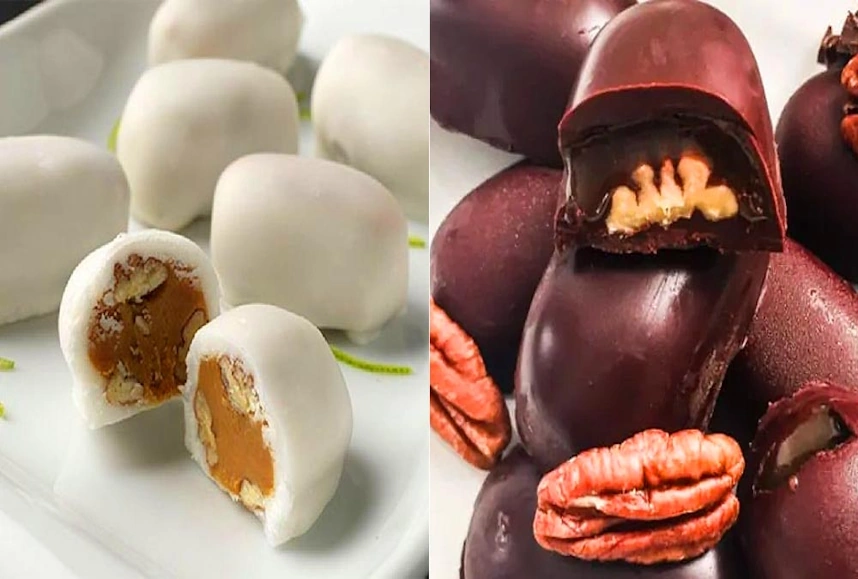
Tejas
Lucuma Ice Cream
- Lucuma pulp, orange fleshed and maple scented, churned with milk and sugar. Texture like dense gelato, flavor defying words, think sweet potato meets butterscotch with earth undertones. Peruvians mourn when exported powder runs out.
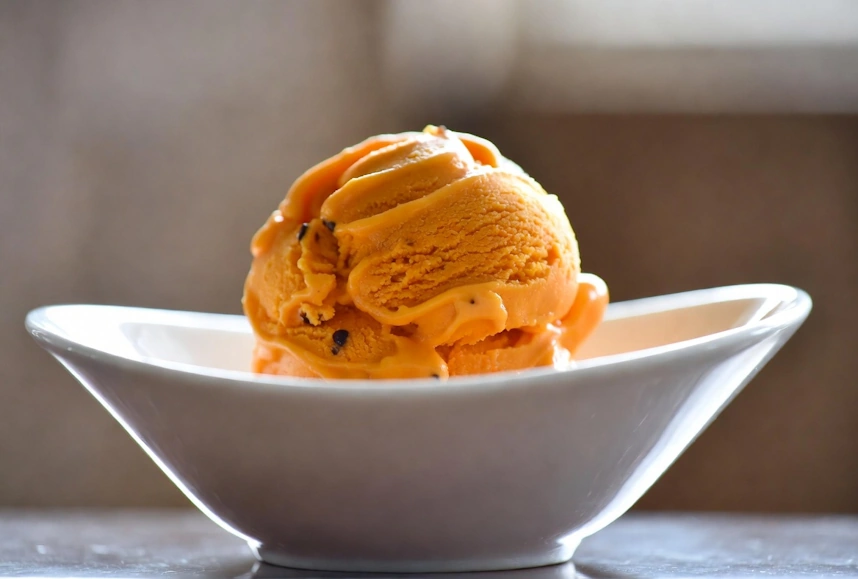
Lúcuma ice cream
Mazamorra de Chancaca
- No meat here, just potato starch, coconut milk, cinnamon, set into wobbly cubes. Slice, serve cold. Bouncy mouthfeel shocks, then comforts. Old school vegan before it was trendy.
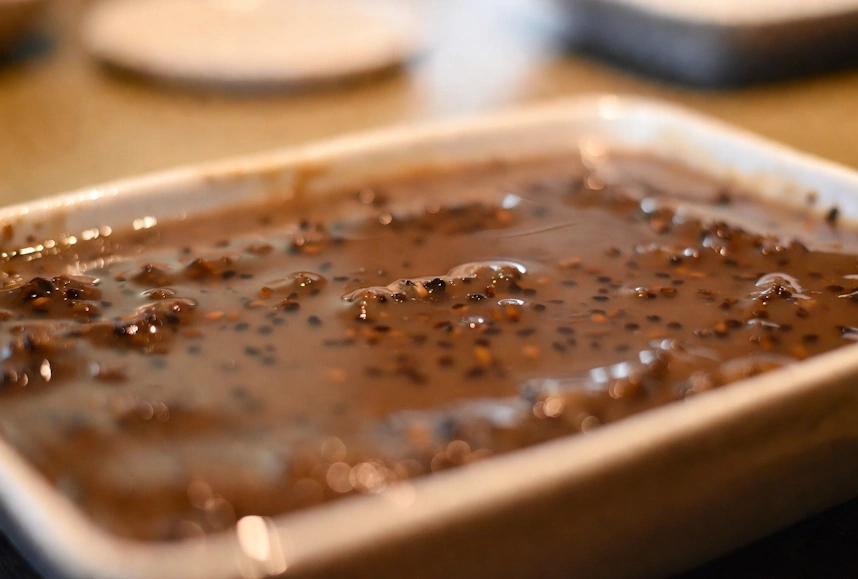
Mazamorra de Chancaca
Crema Volteada
- Flan but make it richer, evaporated and condensed milks, caramel poured hot to crackle. Flip onto a plate, watch the sauce pool. Coconut shreds sometimes sneak in for island flair.
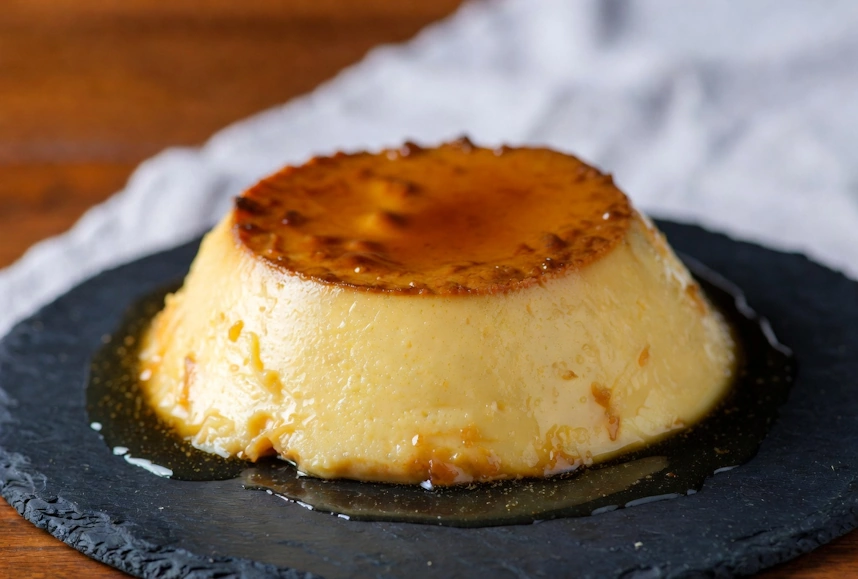
Crema Volteada
There you have typical peruvian desserts windows into Peru. Pick one, chase the ingredients, make mistakes, that is how traditions stay alive. Next rainy afternoon, simmer some purple corn or fry a picarón. You will taste the Andes, the coast, the convents, the markets, all in one imperfect, glorious bite. Sweetness, after all, is how Peru says remember me.
References
- Cobo, B. (1890). Historia del Nuevo Mundo (Original work published 1653). Sociedad de Bibliófilos Andaluces.
- Garcilaso de la Vega, I. (1966). Royal commentaries of the Incas (Original work published 1609). University of Texas Press.
- Menzel, D. (1958). The Inca occupation of the south coast of Peru. Southwestern Journal of Anthropology, 14(2), 125-145.
- Rostworowski, M. (1989). Costa peruana prehispánica. Instituto de Estudios Peruanos.
- Vargas, J. (1954). Historia del Perú (Original work published 1746). Librería e Imprenta Gil.
Frequently Asked Questions
What sets Peruvian desserts apart from the rest of Latin America?
- It is the fearless collision of Andean grains, Amazon fruits, and colonial dairy that spins out flavors no other place touches, definitely not the flan you know from Mexico or Argentina’s tidy alfajores. Swap out plain cornstarch for purple corn pudding and you will taste the difference in one spoonful.
Is it possible to whip these up without hunting down rare Peruvian stuff?
- Some yes, like arroz con leche. Others need lucuma powder or chancaca, but online shops deliver. Substitutions work in a pinch, though the soul shifts a little.
Which dessert screams Peru the loudest for a first timer?
- Suspiro a la Limeña. Creamy, boozy meringue, caramel depth, pure indulgence with a story.
Do regions fight over who owns certain desserts?
- All the time. Turrón claims Lambayeque and Lima both. Picarones are Lima’s but travel everywhere. Friendly rivalry keeps things tasty.


